Fettuccine Alfredo
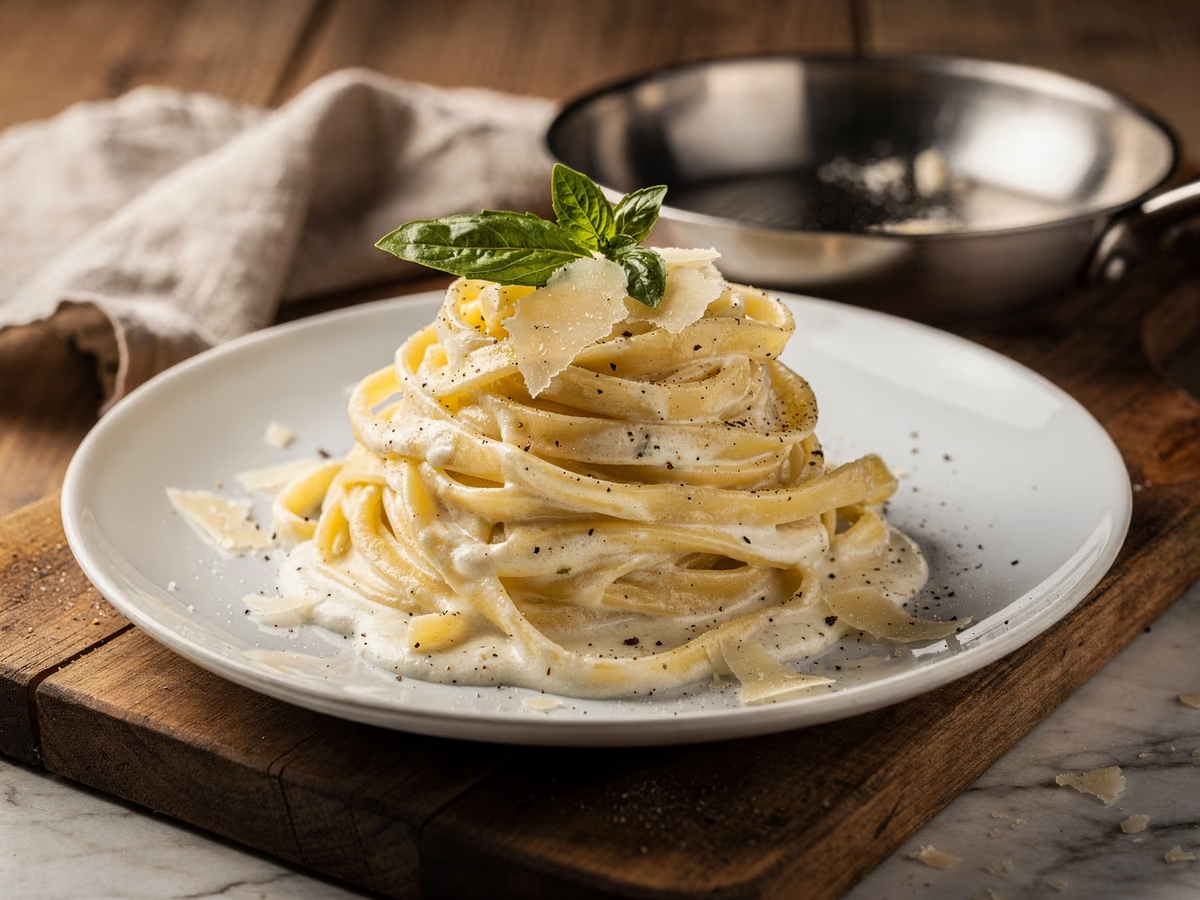
Fettuccine Alfredo is the Roman classic that crossed the Atlantic and picked up cream along the way: long ribbons of pasta tossed in a butter-and-Parmesan emulsion, finished with black pepper and a whisper of nutmeg. The version worth cooking keeps the heat low once the cheese goes in and leans on starchy pasta water for its gloss, so the sauce clings instead of turning grainy. Prep is 10 minutes, the skillet takes about 15, and four generous portions come together in one pan.
- Prep
- 10 min
- Cook
- 15 min
- Total
- 25 min
- Serves
- 4
Ingredients
What you’ll need — tap to tick off as you go
- 400 g
- 100 g
- 180 ml
- 120 g
- 2 cloves
- ½ tsp
- 1 pinch
- 1 tbsp
- 2 tbsp
Process
Timers built in · swap anything · ask as you cook
Bring a large pot of water to a rolling boil, add the 1 tbsp salt and the 400 g fettuccine, and cook until al dente, about 10–12 minutes. Before draining, scoop out 250 ml of the cloudy pasta water and set it aside; that starch is what holds the sauce together. Cook the pasta one minute shy of overdone, because it finishes in the hot pan.
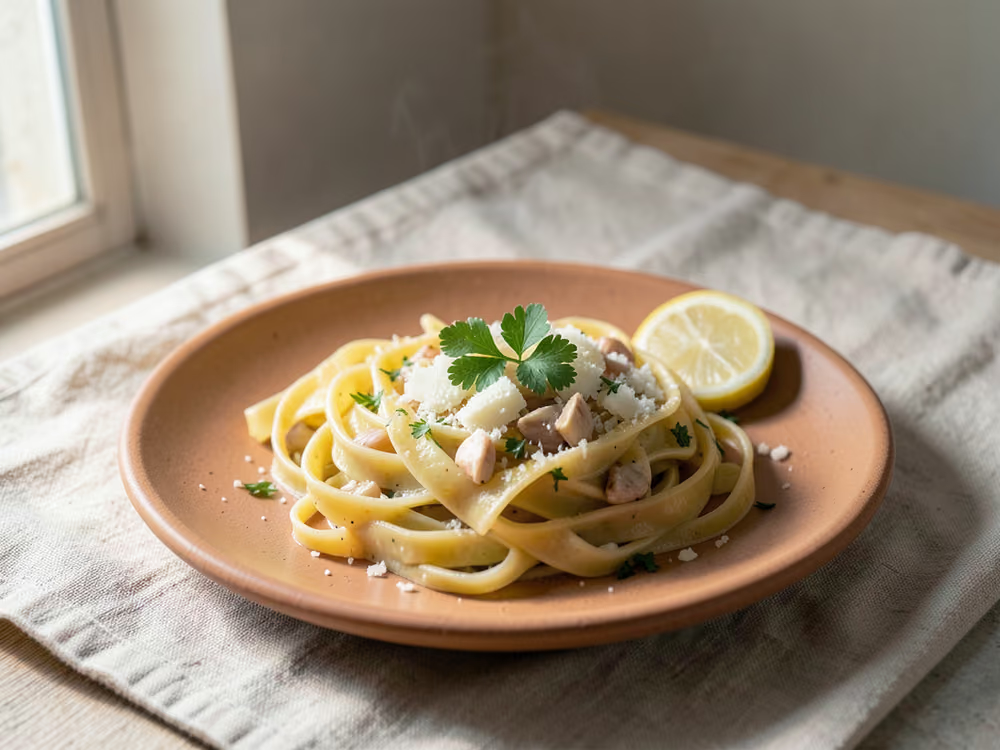
While the pasta boils, melt 60 g of the unsalted butter in a large skillet over medium heat. Add the 2 minced garlic cloves, if using, and cook for 30 seconds, just until they smell sweet and turn pale gold; garlic that browns here turns bitter by the time the cheese goes in.
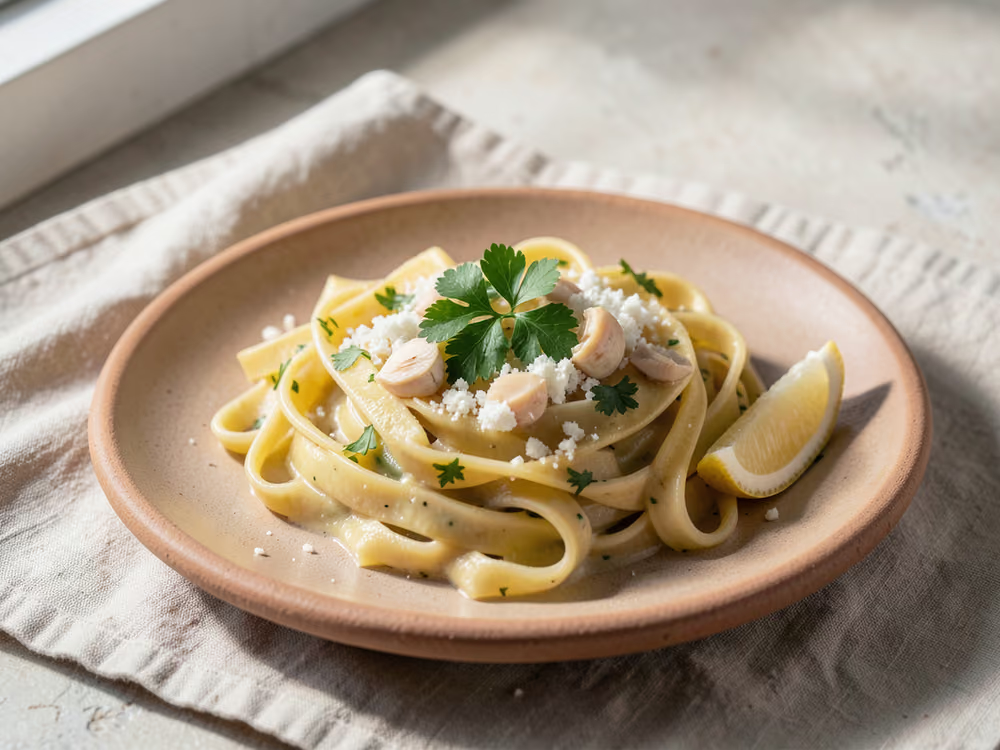
Pour in the 180 ml heavy cream and bring it to a gentle simmer, stirring with a whisk, for about 2 minutes. You want lazy bubbles at the edge of the pan, not a rolling boil: the cream should thicken just enough to coat the whisk, staying fluid enough to loosen later with pasta water.
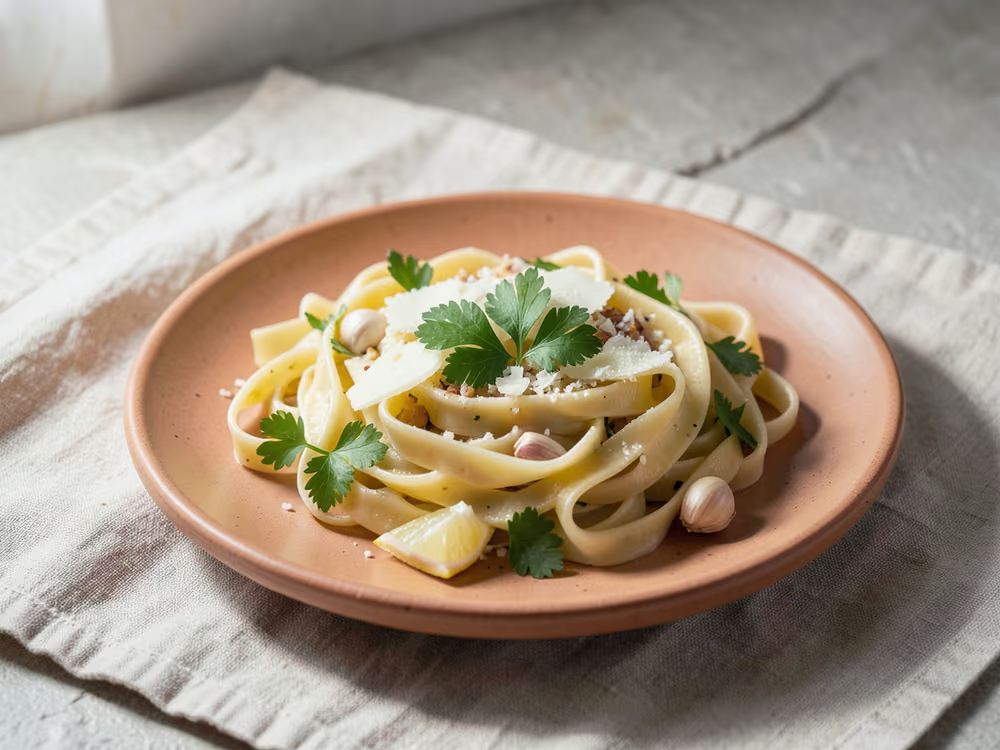
Reduce the heat to low, add the remaining 40 g butter and whisk until it has melted into the cream. Add the 120 g grated Parmesan a handful at a time, whisking constantly until the sauce is smooth, then season with the 0.5 tsp black pepper and a pinch of nutmeg. Low heat is the whole game here: cheese proteins clump into grain the moment the sauce bubbles.
Add the drained fettuccine to the skillet and toss with tongs until every strand is coated, adding the reserved pasta water a splash at a time, until the sauce turns glossy and clings to the noodles; you may not need all 250 ml. Taste and adjust salt, remembering the cheese is already salty.
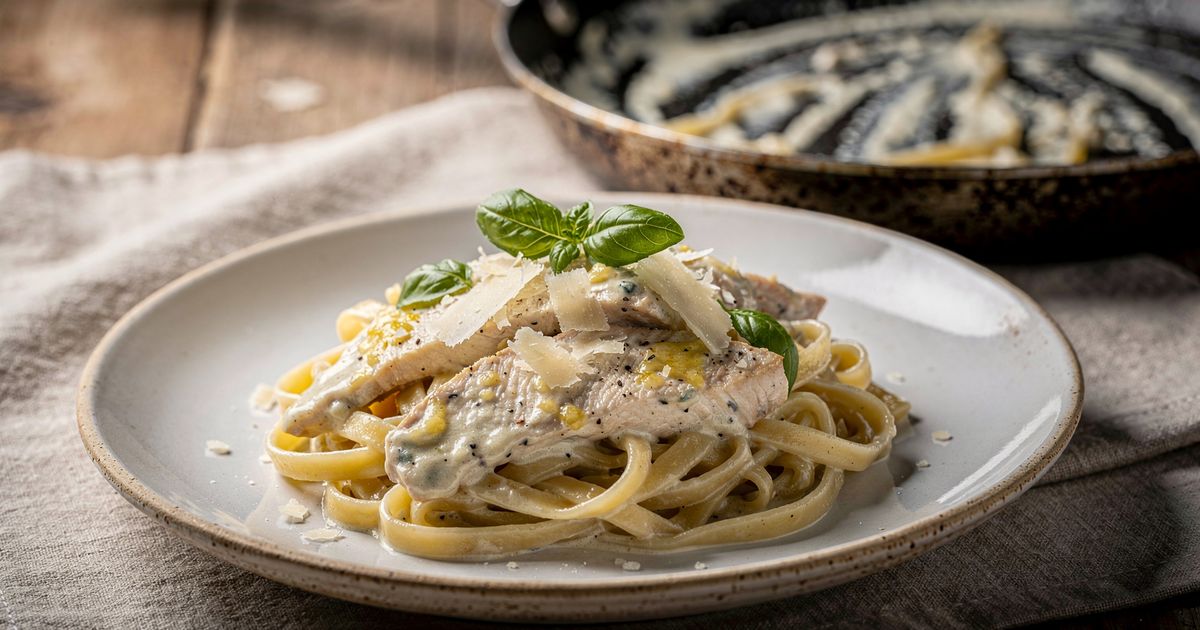
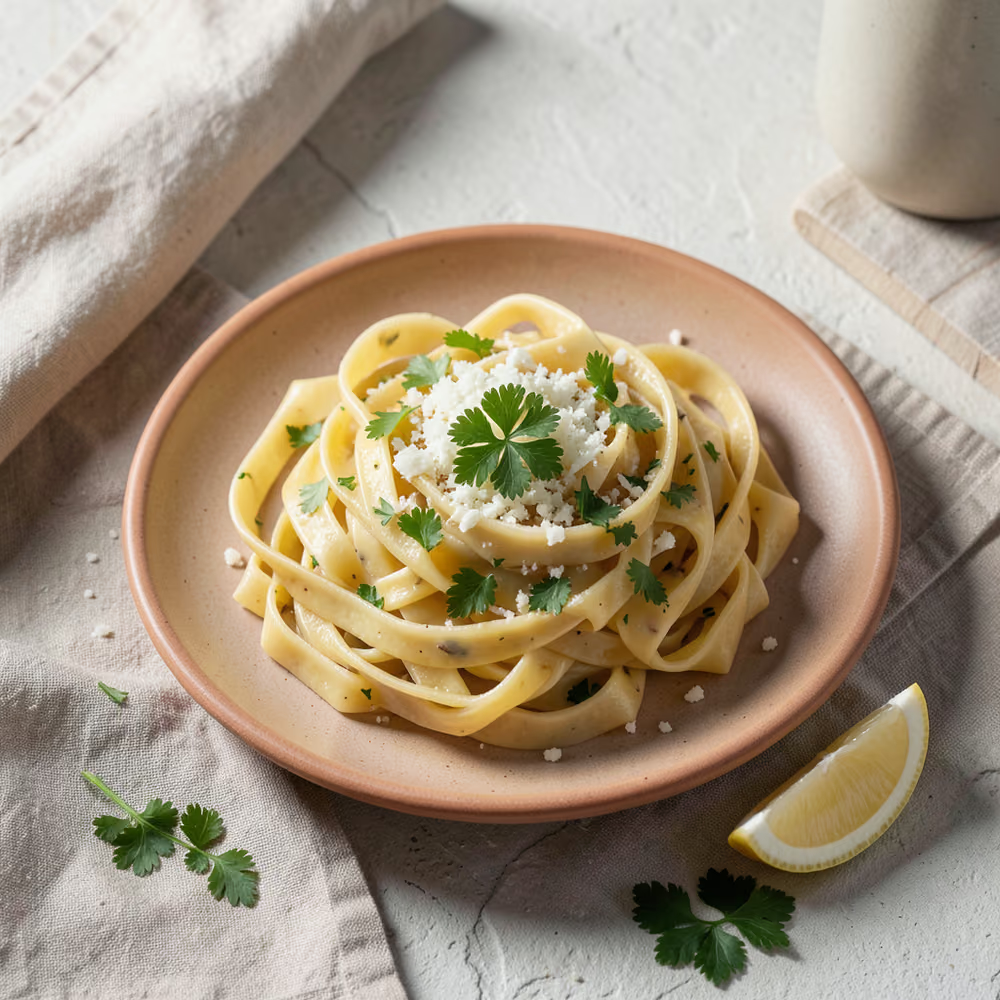
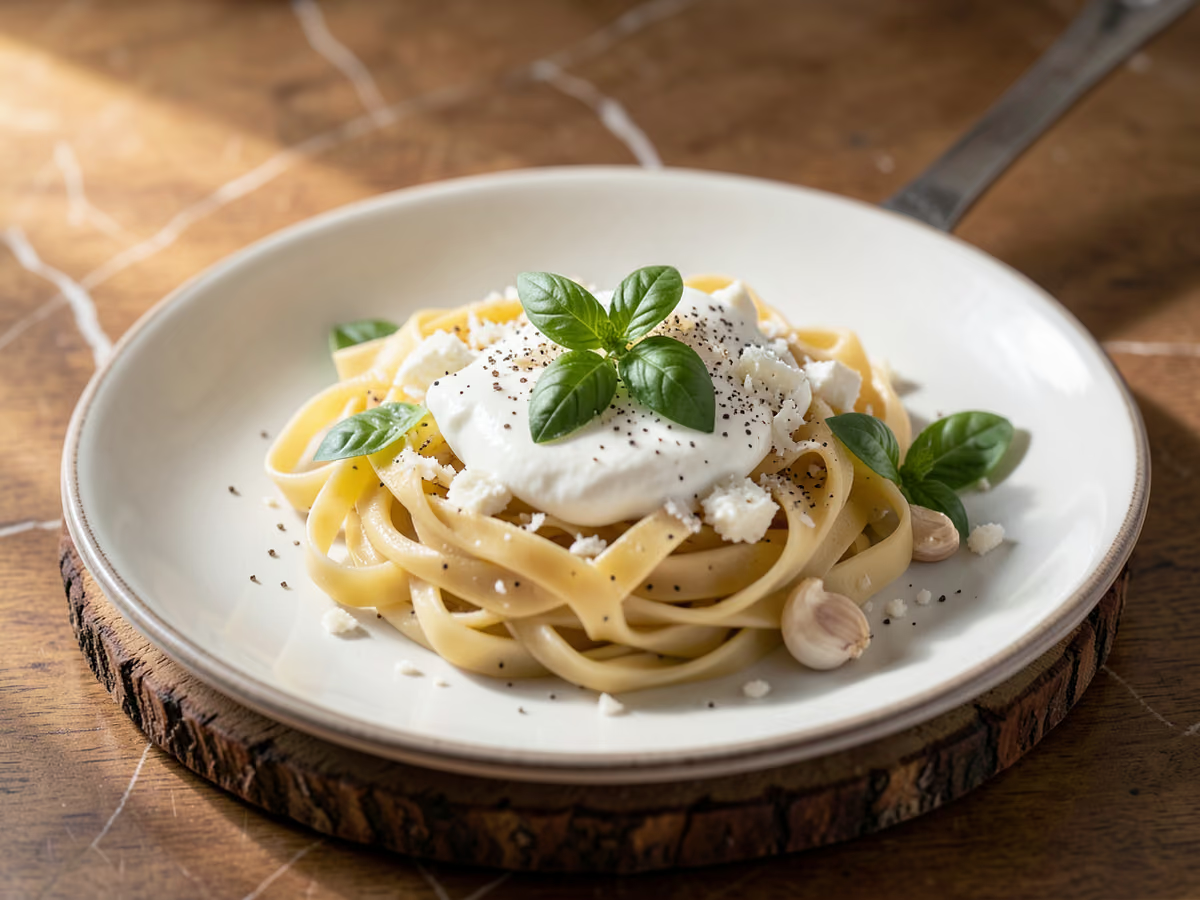
Serve immediately in warmed bowls, topped with extra Parmesan and the 2 tbsp chopped parsley, if desired. The sauce tightens as it cools and the pasta keeps drinking it, so the pan should go to the table the moment it is tossed.
Why this recipe works
What makes the sauce work is an emulsion: butterfat, cream and melted cheese suspended in water, held together by the starch that fettuccine sheds as it boils. That cloudy, reserved pasta water does two jobs; it thins the sauce and stabilizes it, so the fat cannot slide out into a greasy pool. Parmesan melts cleanly only when it is grated finely and added gradually at low heat, because its proteins clump the moment the sauce boils; that is the grainy texture most Alfredo failures share. Finishing the drained pasta in the pan lets the strands absorb flavor and release one last bit of starch, which makes the coating cling.
Equipment
- Large pot, 5-6 liters, for boiling the 400 g fettuccine
- Large skillet or saute pan, 28-30 cm wide and at least 6 cm deep, wide enough to toss all the pasta
- Box grater, for grating the Parmesan on the fine holes
- Balloon whisk
- Colander, or a spider skimmer for lifting the pasta out
- Liquid measuring cup, for scooping out the 250 ml pasta water
- Tongs or a wooden spoon for tossing the noodles
- Warmed serving bowls or plates
Kitchen notes
Kitchen notes
- Choose a younger Parmesan, under about 18 months, for a sweeter, less sharp sauce that melts easily; a long-aged wedge can taste too spiky against the cream.
- Warm the bowls or plates while the pasta cooks. The sauce tightens as it cools, and warm crockery keeps the last forkfuls as glossy as the first.
- Grate on the small holes of a box grater rather than shaving curls. Feathery bits melt evenly and disappear; big flakes leave gooey patches that never smooth out.
- Keep the 250 ml pasta water at the stove until the plates are cleared. A single splash stirred in at the end is the best insurance against a tight sauce, and it adds no dilution you can taste.
- Cheese goes in last, always: if you want a head start, keep the butter-and-cream base warm off the heat and fold in the Parmesan only when the drained pasta is seconds away, because cheese that sits in a warm pan tightens and grains before the noodles arrive.
Common mistakes
- Grainy or separated sauce: the pan was too hot when the cheese went in, the cheese was added all at once, or it came pre-shredded with anti-caking starch. Pull the pan off the heat before the Parmesan, add it a handful at a time with constant whisking, and grate from a wedge; if the sauce already looks oily, whisk in a splash of warm pasta water to bring the emulsion back.
- Sauce like paste: it sat too long or the pasta went in too dry, so the cheese kept absorbing liquid. Keep the reserved pasta water at hand, loosen with splashes until the sauce flows, and toss only long enough to coat; serve straight away, because the sauce thickens as it cools.
- Flat, dull flavor: under-salted pasta water, tired pre-ground pepper, or no nutmeg to lift the cream. Taste the water, which should be seasoned like a light soup, then finish with fresh pepper and that pinch of nutmeg; they are what make the sauce taste finished rather than simply rich.
- Pasta that clumps into a sticky ball: the fettuccine was drained bone-dry or crowded into too small a pan. Reserve the water before draining, shake off only lightly, and use a wide skillet; the starchy film and the space are what let the strands separate as they toss.
- Sauce that will not cling: it was over-thinned with too much water or cream that never simmered. Let it bubble gently one minute more to thicken, then toss again; a sauce that trickles off the strands needs more reduction, not more cheese.
Serving suggestions
- Serve hot in warmed shallow bowls, four equal portions from the one skillet; pass extra Parmesan, a grinder of black pepper and more parsley at the table.
- A crisp green salad with a lemon vinaigrette is the classic counterpoint: the acid cuts the butterfat and resets the palate between bites.
- Steamed broccoli or roasted asparagus alongside adds a clean, green edge; if you fold vegetables through the pasta itself, do it at the last moment so they stay bright.
- Keep the table drinks simple and cold: sparkling water with lemon, iced tea or a pitcher of cold water, since the dish is rich enough without anything heavier.
Variations
- Roman-style, no cream: leave the cream out and loosen the same 100 g butter and 120 g Parmesan with the reserved pasta water alone, as the dish was originally made; the sauce is lighter and cleaner but thinner, and it breaks more easily once it cools, so it must go straight to the table.
- Vegetable additions: fold a handful of blanched broccoli florets or thawed green peas through the coated pasta at the end; they add freshness and color, and they belong to the Italian-American version of the dish rather than the Roman original.
- Gluten-free adaptation: swap in the same 400 g of gluten-free fettuccine cooked in the same salted water; the butter, cream and Parmesan sauce is naturally gluten-free, but check the pasta and cheese labels. Gluten-free strands are more fragile, so toss them gently and serve at once.
Refrigerator
- RefrigeratorCool the leftovers within 2 hours of cooking, then keep them covered in the fridge for up to 3 days. The pasta drinks the sauce as it sits, so the dish returns a little tighter each day; a splash of water or milk loosens it.
- ReheatingReheat gently in a skillet over low heat with a splash of milk or water, stirring until the pasta is hot all the way through, 74°C on a food thermometer per USDA FSIS reheating guidance. High heat or a hard boil will break the emulsion, so keep it below a simmer.
- FreezingNot recommended: the cream and cheese emulsion turns grainy and watery on thawing, and the pasta softens past rescue.
- Make aheadStage everything up to a day ahead: grate the Parmesan, mince the garlic, measure the butter and cream, all covered in the fridge. The sauce itself can be made ahead and kept refrigerated for up to 3 days; reheat it gently with a splash of milk or pasta water, whisking until glossy, and fold in freshly cooked fettuccine at the end. Freshly made, though, is when the emulsion is at its best.
Updated:
How this recipe was developed
- USDA FSIS, Leftovers and Food Safety (cool cooked food within 2 hours; refrigerate leftovers 3-4 days; reheat to 74°C / 165°F; divide large amounts into shallow containers to cool quickly)
- Serious Eats, Roman-Style Fettuccine With Alfredo Sauce (starchy pasta water holds the butter-and-cheese emulsion and prevents a greasy break; grate the cheese finely so it melts evenly; the original Roman dish uses pasta, butter, Parmesan and salt only)
- Lidia's Italy, Fettuccine Alfredo (the Italian-American version adds cream because butter separates readily when heated; created by Alfredo di Lelio for his wife; Mary Pickford and Douglas Fairbanks brought the dish to America; serve immediately, tossing al dente pasta into the sauce)
- Gambero Rosso International, The story of the inventor of fettuccine all'Alfredo (Alfredo Di Lelio created the dish in Rome in 1908 as a butter-and-Parmesan restorative for his wife Ines; he opened his restaurant on Via della Scrofa in 1914)
Editorial references are kept internally for verification. This page makes no claim of external certification or professional testing.
Gallery
FAQ
The questions we get asked most
Why did my fettuccine Alfredo sauce turn grainy or separate?
Almost always heat. Once the sauce boils, the Parmesan proteins tighten and squeeze out the butterfat, and the sauce turns grainy or leaks oil. Keep the pan at a bare warmth after the cheese goes in, add the cheese gradually, and grate it yourself from a wedge, because bagged shredded cheese carries a starch coating that never melts smooth. If the sauce has already started to look oily, take it off the heat and whisk in a spoonful of the warm reserved pasta water; the starch pulls the emulsion back together.
Can I make fettuccine Alfredo without heavy cream?
Yes. Half-and-half or whole milk work in the same 180 ml measure, and the result is lighter but thinner. Without the fat of heavy cream the sauce has less body, so let it reduce at a bare simmer a moment longer and lean on the Parmesan and pasta water for thickness. Expect a fresher, more milky flavor, and keep the heat low, since a leaner sauce breaks more easily than one with cream.
Why is my Alfredo sauce too thick?
Thickness usually comes from the cheese absorbing liquid as the sauce sits, especially once the pasta is in the pan. Bring it back with the reserved pasta water, a tablespoon at a time, off the heat, whisking until it flows like thick cream again. If you have used all 250 ml, warm water or a splash of milk will do, and serve at once, because the sauce tightens every minute it waits.
How do I reheat leftover fettuccine Alfredo without ruining the texture?
Reheat gently in a skillet over low heat with a splash of milk or water, stirring until the pasta is hot through, 74°C on a food thermometer per USDA FSIS reheating guidance. Keep it under a simmer, because a hard boil will split the sauce. Microwaving on high is the riskier route: if you use one, go in short bursts, stir between them, and stop as soon as the pasta is hot, since the sauce can break if it boils.
How can I make fettuccine Alfredo lighter?
Start with the cream: half-and-half in the same 180 ml is the biggest drop in richness with almost no change in method. Then loosen the finished sauce mostly with pasta water rather than more dairy, keep the Parmesan at 120 g for flavor, and serve it over a slightly smaller nest of pasta. The dish stays creamy and full-flavored; it simply tastes fresher and lighter than the restaurant version.
What pasta can I use besides fettuccine?
Linguine and tagliatelle are the closest matches, with the same ribbons and a similar cooking time, and penne or rigatoni work if you like sauce trapped inside the tubes. Cook the same 400 g to al dente, then finish it in the pan as usual. Rough, bronze-cut surfaces grip the sauce best; smooth pasta lets it slide off, so be ready with a splash more pasta water.
Is fettuccine Alfredo gluten-free?
As written it is not, because fettuccine is wheat pasta. The sauce itself (butter, cream, Parmesan, pepper and nutmeg) contains no gluten, so with 400 g of gluten-free fettuccine cooked in the same salted water the dish becomes gluten-free; check the pasta and cheese labels, though, since cross-contact varies by brand. Gluten-free strands are more fragile, so toss them gently and serve straight away.
Ask KitchenMind about this recipe
Tell it what’s different tonight — it works within the actual recipe.