Roast Beef with Vegetables
Roast beef with vegetables is the classic oven Sunday dinner: a 1.5 kg boneless ribeye or sirloin coated in olive oil, salt and a garlic-onion rub, browned hard at 220°C, then finished gently at 160°C with carrots, potatoes and onion wedges around it in beef broth and thyme. Aim for 55°C in the centre for rosy, sliceable meat and give it a 15-minute rest while the vegetables keep warm. Count on about 20 minutes of prep and roughly 90 minutes in the oven; the single baste is all the attention it needs.
- Prep
- 20 min
- Cook
- 90 min
- Total
- 125 min
- Additional time
- 15 min
- Serves
- 6
Ingredients
What you’ll need — tap to tick off as you go
- 1 ½ kg
- 2 tbsp
- 2 tsp
- 1 tsp
- 1 tsp
- 1 tsp
- 250 ml
Process
Timers built in · swap anything · ask as you cook
Preheat the oven to 220°C with a shelf in the middle. Pat the 1.5 kg tied roast dry all over with paper towels, rub the 2 tbsp olive oil over every surface, then season evenly with the 2 tsp salt, 1 tsp black pepper, 1 tsp garlic powder and 1 tsp onion powder, pressing the rub in so it clings. A dry, oiled surface is what lets the beef brown rather than steam.
Set the roast in the middle of a large roasting pan and arrange the 4 carrots, 4 quartered potatoes and 2 onion wedges around it in a single layer; they need contact with the pan, not a pile. Pour the 250 ml beef broth into the base and scatter the 4 thyme sprigs over the vegetables. The broth steams the roots from below and keeps the drippings from scorching.
With the pan uncovered, give the roast 20 minutes at 220°C to build colour on the surface. The top and sides should deepen to a rich brown and the pan juices start sizzling around the vegetables; this short blast is the only hard browning the roast gets, because the heat drops next.
Drop the oven to 160°C and keep roasting for another 60 to 70 minutes, basting the vegetables with the pan juices halfway through. Start testing with an instant-read thermometer at 60 minutes: the roast is ready when the thickest part reaches 55°C for medium-rare, and the carrots and potatoes are tender when a knife slides in. Stick to the thermometer rather than the clock.
Move the roast to a cutting board or warm platter, tent it loosely with foil, and rest for 15 minutes. Carryover heat takes the centre from 55°C to about 60°C while the juices settle, so the first slice stays moist. Keep the foil loose: a tight wrap traps steam and softens the browned crust.
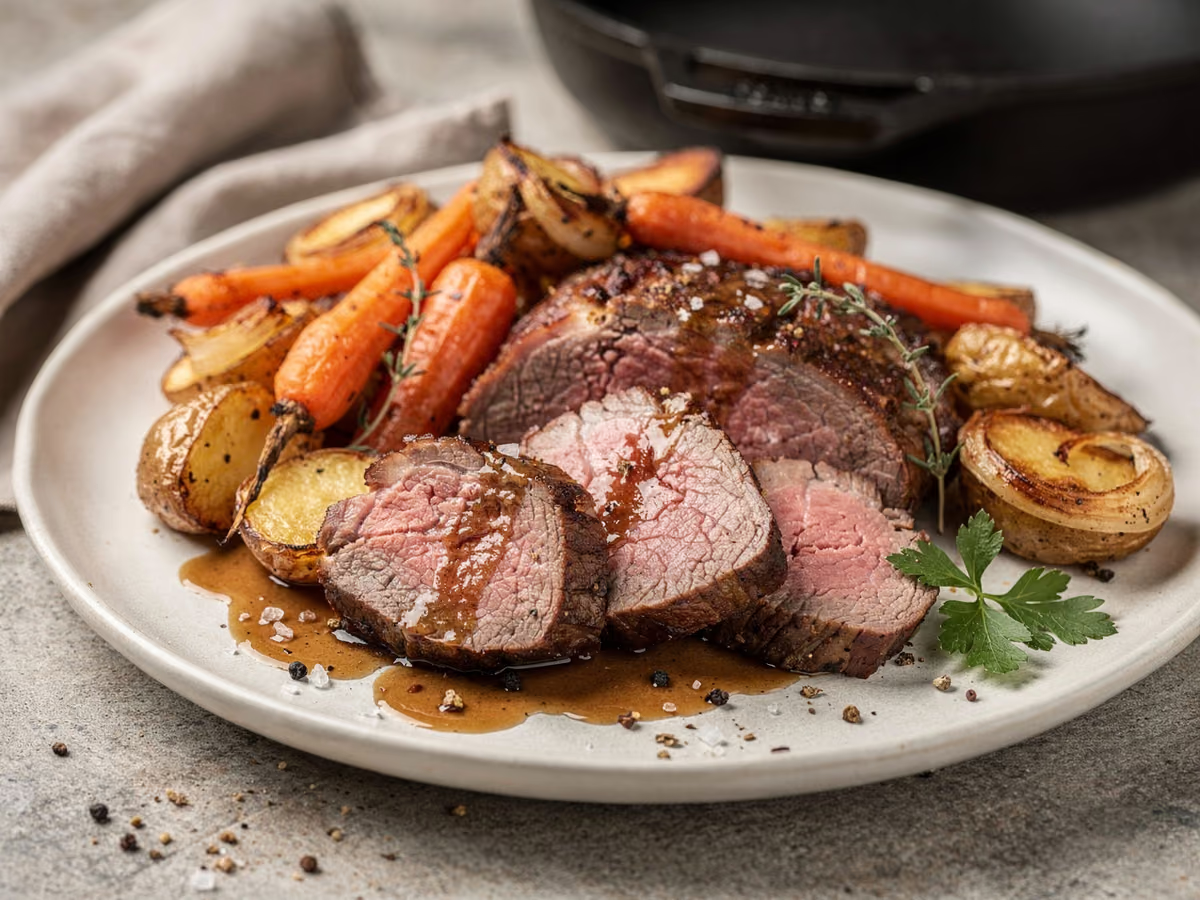
While the beef rests, check the vegetables: if they need more colour, return the pan to the oven; otherwise keep them warm. Slice the roast against the grain into thick slices, arrange everything on a warm platter, and spoon over the pan juices. Serve straight away while the vegetables are hot.
Why this recipe works
Two moves make this dish. The first is heat: a dry, oiled surface browns fast at 220°C through the Maillard reaction, and lowering the oven to 160°C after 20 minutes slows heat penetration so the centre climbs to 55°C with only a thin band of overcooked meat around it. The second is the pan setup: the vegetables sit in the broth, catch the seasoned fat that runs off the beef, and glaze while the roast cooks, with 2-inch chunks sized to finish in the same window. The 15-minute rest then lets carryover lift the centre to about 60°C so the slices hold their juices.
Equipment
- Large roasting pan, big enough for the roast with the vegetables in a single layer around it
- Instant-read thermometer
- Carving knife and cutting board
- Tongs plus a large spoon for basting
- Jug or fat separator for the pan juices
- Aluminium foil for tenting
- Small bowl and measuring spoons for the rub
- Kitchen string, if the roast is not already tied
Kitchen notes
Kitchen notes
- Ask the butcher to tie the roast into an even barrel if it is not already tied: an uneven joint cooks unevenly, with thin ends overcooking while the centre is still climbing.
- Take the roast out of the fridge up to an hour before cooking so the centre starts warmer than the crust and the whole joint comes up to temperature more evenly.
- Slide the thermometer into the thickest part from the side rather than through the top crust; it should sit in the centre of the muscle, not in a pocket of fat, which runs hotter and misleads you.
- Cut slices a little thicker than you think you want: thin slices cool fast and fray at the edges, while thick slices stay juicy and hold their shape on the plate.
- Rest the roast on a warm platter or wooden board and keep it near the stove while the last jobs happen; a cold bench chills the meat faster than the resting time you planned for.
Common mistakes
- Dry, sawdusty slices: the roast stayed in past 55 to 60°C, or it was carved without resting, so the juices ran onto the board. Pull the beef at 55°C, check with an instant-read thermometer, rest it the full 15 minutes, and slice against the grain.
- A thick grey rim under the crust: the sear stage stretched past 20 minutes or the oven stayed high, overcooking the outer layers before the centre was done. Keep the blast at exactly 20 minutes at 220°C, then drop straight to 160°C.
- Vegetables raw in the middle or scorched at the edges: the chunks were cut unevenly or the pan base went dry. Cut the carrots and potatoes into even 2-inch pieces, keep the 250 ml broth in the pan, and baste at the halfway point, adding a splash of water if the base evaporates.
- A pale, flabby crust: a wet roast or a skimpy coating steams instead of browning. Pat the surface fully dry, use the full 2 tbsp oil, and press the seasoning in before the pan goes into the oven.
- Slices that chew and fray: the knife ran along the grain, or the roast was carved hot out of the oven. Rest it 15 minutes first, find the direction the fibres run, and cut across them in thick, single strokes.
Serving suggestions
- Serve in thick slices with the carrots, potatoes and onions piled alongside and the pan juices spooned over everything; a jug of the strained juices at the table keeps second helpings from going dry.
- Classic sides that suit the same oven: mashed potatoes, a green vegetable such as buttered peas or steamed greens, and a spoonful of horseradish or sharp mustard for the beef.
- Keep the drinks simple and cold: sparkling water, iced tea or a sparkling apple soda cut through the richness without competing with the roast.
- Leftovers are a bonus: chill the slices, then eat them cold in sandwiches with mustard, or chop them into a salad or a quick beef and root-vegetable hash.
- The 1.5 kg joint serves 6 with second helpings; carve only what will be eaten and leave the rest intact so it stays moist for tomorrow.
Variations
- Gravy version: strain the pan juices into a jug, skim the fat, then simmer the juices in the roasting pan set over the hob with a slurry of cornstarch and cold water until the gravy coats a spoon; serve it on the side.
- Garlic-and-rosemary pan version: tuck a few unpeeled garlic cloves and rosemary sprigs among the vegetables for a more fragrant pan; they roast alongside without changing the timing.
- No-pink-for-everyone version: keep roasting until the centre reads 63°C, the medium point and the USDA FSIS safe minimum for whole cuts of beef served to guests in higher-risk groups. The meat is firmer but still juicy, and the timetable barely changes.
Refrigerator
- RefrigeratorCool the beef and vegetables within 2 hours of cooking, dividing the roast into smaller pieces so it cools quickly (USDA FSIS guidance), then refrigerate in an airtight container for 3 to 4 days. Keep the pan juices in a separate jar so the vegetables do not turn soggy.
- ReheatingReheat slices and vegetables covered at 160°C for 10 to 15 minutes with a splash of the reserved juices or water, until hot all the way through: 74°C, the USDA FSIS reheat temperature. Keep it gentle, because hard reheating tightens the beef.
- FreezingPortion the cooled slices and vegetables into freezer containers with a little of the juices and keep for up to 3 months. Thaw in the fridge overnight before reheating. Potatoes soften noticeably on thawing, so expect a small texture drop.
- Make aheadThe beef can be seasoned, and the vegetables peeled and cut, up to 24 hours ahead; keep them in separate containers in the fridge and roast on the day for the best texture. A fully cooked roast can also be cooled and served the next day after a gentle covered reheat.
Updated:
How this recipe was developed
- USDA FSIS Safe Minimum Internal Temperature Chart (whole-cut beef 63°C with a 3-minute rest; leftovers reheated to 74°C)
- USDA FSIS Leftovers and Food Safety (refrigerate within 2 hours; 3-4 days in the fridge; freeze 3-4 months; reheat to 74°C)
- BBC Good Food, How to cook roast beef (sear first at high heat then lower the oven; about 20 minutes per 500 g for medium-rare; rest before carving; pan juices for the gravy)
- Serious Eats, J. Kenji Lopez-Alt on roasting and resting large beef roasts (two-stage heat narrows the overcooked band; large roasts need a longer rest; carryover lifts the centre several degrees)
Editorial references are kept internally for verification. This page makes no claim of external certification or professional testing.
FAQ
The questions we get asked most
How long does roast beef take to cook?
For a 1.5 kg roast, plan on about 90 minutes in the oven: 20 minutes at 220°C while the surface browns, then 60 to 70 minutes at 160°C, plus 15 minutes of resting. A good working rule is roughly 20 minutes per 500 g once the heat drops, but the thermometer outranks the clock: take the beef out when the centre reaches 55°C. Prep takes about 20 minutes.
What internal temperature should medium-rare roast beef be?
Pull it at 55°C, measured in the thickest part; carryover heat during the 15-minute rest takes it to about 60°C. For medium, pull at 60°C; for medium-well, 65°C. One safety note: 55°C sits below the USDA FSIS minimum of 63°C for whole cuts of beef with a 3-minute rest, so treat it as a doneness preference rather than a safety guarantee, and cook through to 63°C for guests in higher-risk groups.
What is the best cut of beef for roasting?
Both cuts work. Boneless ribeye has more marbling, so it stays juicy and tastes rich; sirloin is leaner and more economical but wants a strict 55°C pull and thinner slices. Ask for either one tied into an even shape. Tenderloin roasts are very tender but mild and lean, and budget round cuts dry out fastest of all, so they need the most care.
Why did my roast beef turn out dry?
Almost always overcooking or slicing too soon. Pull the roast when the centre reads 55°C, not when the timer ends, and let it rest the full 15 minutes so the juices settle before the knife goes in. Lean cuts dry out faster than marbled ones, and slices cut along the grain chew tough, so follow the fibres and cut across them.
Do I need to rest the roast before slicing?
Yes. A 1.5 kg roast needs about 15 minutes tented loosely under foil. The centre carries over from 55°C to roughly 60°C, the temperature evens out through the joint, and far less juice ends up on the board. Keep the foil loose rather than wrapped tight, or the crust steams soft, and do not stretch the rest far beyond 15 to 20 minutes or the beef starts to cool.
Can I cook the vegetables with the roast?
That is exactly how this dish works: the 4 carrots, 4 quartered potatoes and 2 onion wedges roast around the beef in the 250 ml of broth and finish in the same window. Keep the pieces at 2 inches and in a single layer so they roast rather than crowd. If they are not quite tender when the beef is done, leave them in the oven while the roast rests, and baste them once with the pan juices.
Can I make gravy from the pan juices?
Yes. Pour the juices from the pan into a jug, let the fat rise, and skim most of it off. Simmer the juices in a small pan with a little cornstarch slurried in cold water, stirring until the gravy coats a spoon; a spoonful of the vegetable cooking liquid stretches it further. Bring gravies to a rolling boil when reheating (USDA FSIS), and the strained juices freeze well for up to 3 months.
Ask KitchenMind about this recipe
Tell it what’s different tonight — it works within the actual recipe.