- Prep
- 10 min
- Cook
- 20 min
- Total
- 30 min
- Serves
- 4
Ingredients
What you’ll need — tap to tick off as you go
- 350 g
- 400 g
- 120 ml
- 2 tbsp
- 3 cloves
- 1 tbsp
- 1 tsp
- ½ tsp
- ½ tsp
- 40 g
- 10 g
Process
Timers built in · swap anything · ask as you cook
Bring a large pot of water to a rolling boil. Add a generous handful of salt (about 1 tbsp per 4 liters). Add the dried pasta and cook according to package instructions until al dente, usually 9 to 11 minutes. Reserve 250 ml (1 cup) of pasta water, then drain the pasta.
While the pasta cooks, heat the olive oil in a large skillet over medium heat. Add the sliced garlic and cook for 1 minute until fragrant but not browned.
Add the tomato paste to the skillet and stir constantly for 30 seconds to caramelize it slightly. This deepens the flavor.
Pour in the canned crushed tomatoes, dried oregano, salt, and black pepper. Stir well and simmer over medium-low heat for 8 to 10 minutes, until the sauce thickens and no longer tastes raw.
Reduce the heat to low. Slowly pour in the heavy cream while stirring constantly. Simmer gently for 2 minutes; do not let it boil hard or the sauce may split.
Add the drained pasta to the skillet along with 60 ml (1/4 cup) of the reserved pasta water. Toss over low heat for 1 to 2 minutes until the sauce clings to the pasta. Add more pasta water a splash at a time if it looks thick.
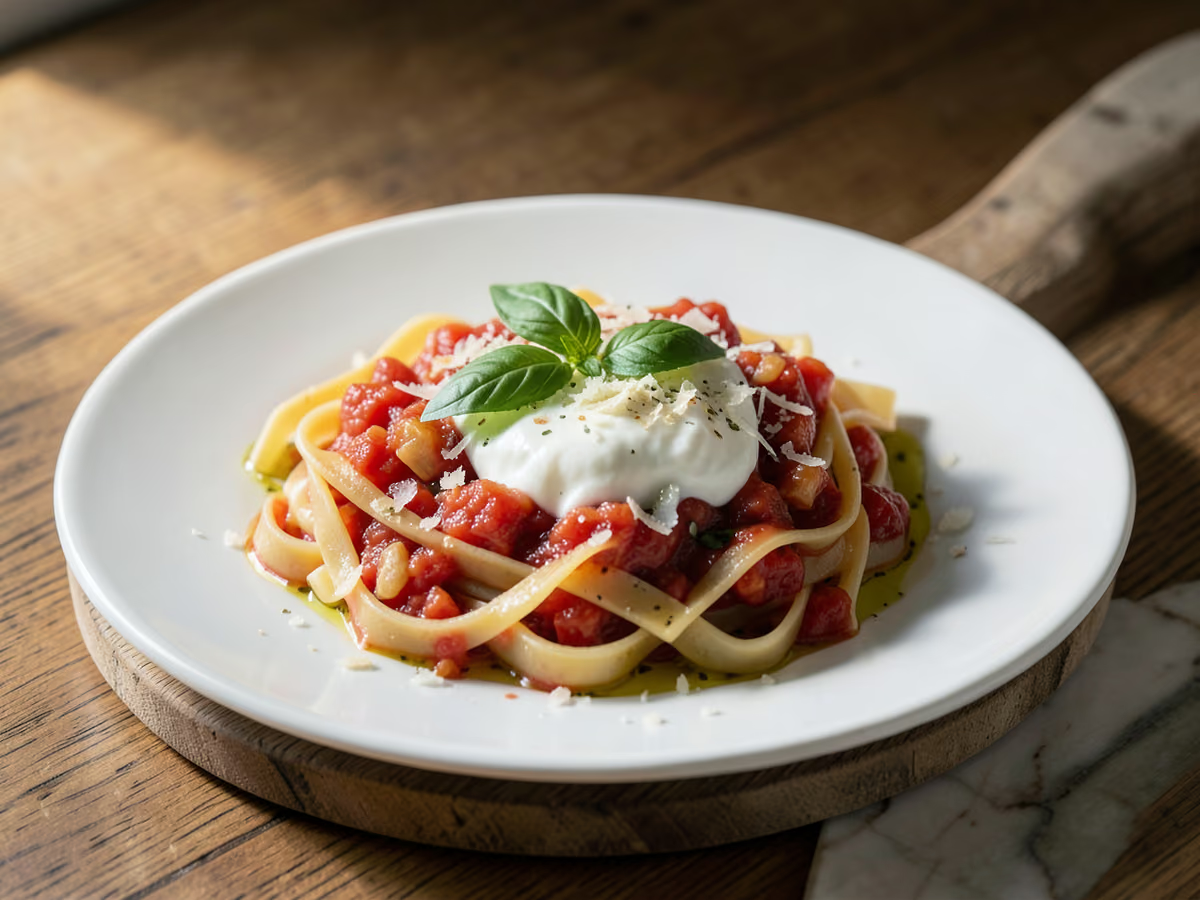
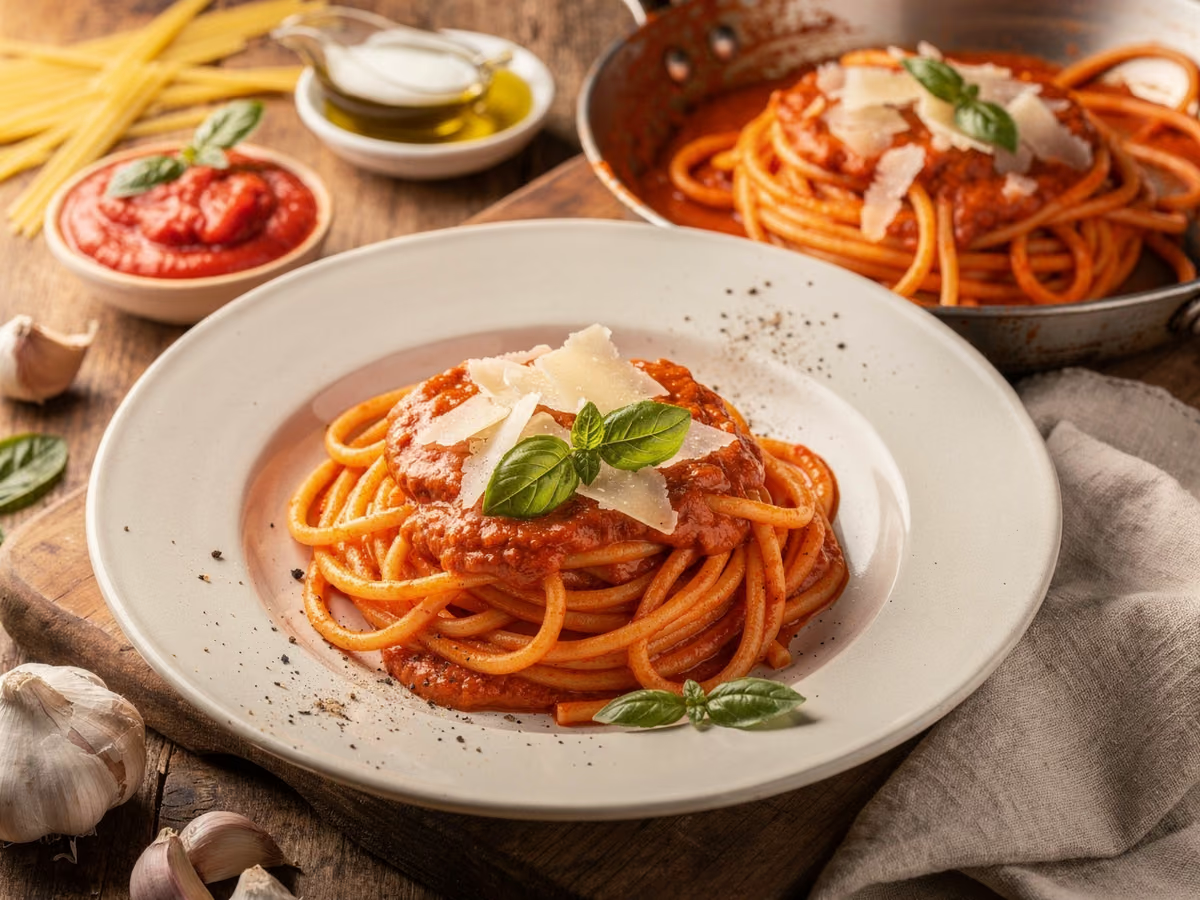
Remove from heat and stir in the grated Parmesan cheese until melted. Taste and adjust salt and pepper. Garnish with torn fresh basil leaves and extra Parmesan if desired. Serve immediately.
Kitchen notes
Kitchen notes
- The most common mistake is boiling the cream sauce hard after adding it, which causes curdling. Keep the heat low and stir constantly.
- Salting the pasta water is essential; it is the only chance to season the pasta itself. Use about 1 tablespoon of salt per 4 liters of water.
- Reserve pasta water before draining. Its starch helps emulsify the sauce and makes it cling to the pasta instead of pooling on the plate.
- For a deeper tomato flavor, use high-quality canned tomatoes such as San Marzano. If your tomatoes are very acidic, add a pinch of sugar.
- Parmesan melts best when the sauce is off the heat; high heat can make it stringy or grainy.
Substitutions
- heavy cream→full-fat coconut milk (for dairy-free) or half-and-half mixed with 1 tsp cornstarch
- canned crushed tomatoes→whole peeled tomatoes, crushed by hand, or tomato passata
- Parmesan cheese→Pecorino Romano or nutritional yeast (for dairy-free)
- dried oregano→dried basil or Italian seasoning
Storage & reheating
Store leftovers in an airtight container in the refrigerator for up to 3 days. Reheat gently on the stovetop over low heat with a splash of water or milk to loosen the sauce, or in the microwave in 30-second intervals, stirring between each, until hot. Do not freeze; the cream sauce may separate and become grainy upon thawing.
Gallery
FAQ
The questions we get asked most
Why did my creamy tomato pasta sauce curdle or split?
Curdling happens when cream is added to a sauce that is too hot or when the sauce is boiled after the cream is added. Always reduce the heat to low before pouring in the cream, and stir constantly. If it does split, remove from heat and whisk in a tablespoon of cold cream or a little pasta water to bring it back together.
Can I make this creamy tomato pasta ahead of time?
You can make the tomato cream sauce up to 2 days ahead and store it in the refrigerator. Reheat it gently on the stovetop over low heat, adding a splash of water or milk if it has thickened. Cook the pasta fresh when you are ready to serve, then toss with the reheated sauce.
How do I make this pasta without cream?
For a dairy-free version, replace the heavy cream with full-fat coconut milk or a cashew cream made by blending soaked cashews with water. Note that coconut milk will add a slight coconut flavor. Alternatively, use half-and-half mixed with 1 teaspoon of cornstarch to prevent curdling.
Can I use fresh tomatoes instead of canned?
Yes, but you will need about 600 g of ripe plum tomatoes, peeled and chopped. Fresh tomatoes have more water, so simmer the sauce longer, about 15 to 20 minutes, until it thickens. Canned tomatoes are more consistent in flavor and acidity, so you may need to adjust salt and sugar.
Why is my creamy tomato pasta sauce too thick or too thin?
If the sauce is too thick, stir in reserved pasta water a tablespoon at a time until it reaches a creamy consistency. If it is too thin, simmer it uncovered over medium-low heat for a few minutes to evaporate excess liquid. Remember that the sauce will thicken slightly as it cools.
How do I know when the pasta is cooked al dente?
Al dente pasta is tender but still firm to the bite, with a slight resistance in the center. Check by biting a piece 1 minute before the package time suggests. It should not be crunchy, but it should not be mushy either. The pasta will finish cooking in the sauce, so drain it while it is still slightly underdone.
Can I add protein to this creamy tomato pasta?
Yes, cooked chicken, shrimp, or white beans can be added. For chicken, slice cooked chicken breast and stir it in with the pasta. For shrimp, sauté them in the skillet before adding the tomatoes, then remove and return them at the end. Canned white beans, drained and rinsed, can be added with the tomatoes and simmered.
Ask KitchenMind about this recipe
Tell it what’s different tonight — it works within the actual recipe.