Spaghetti al Pomodoro
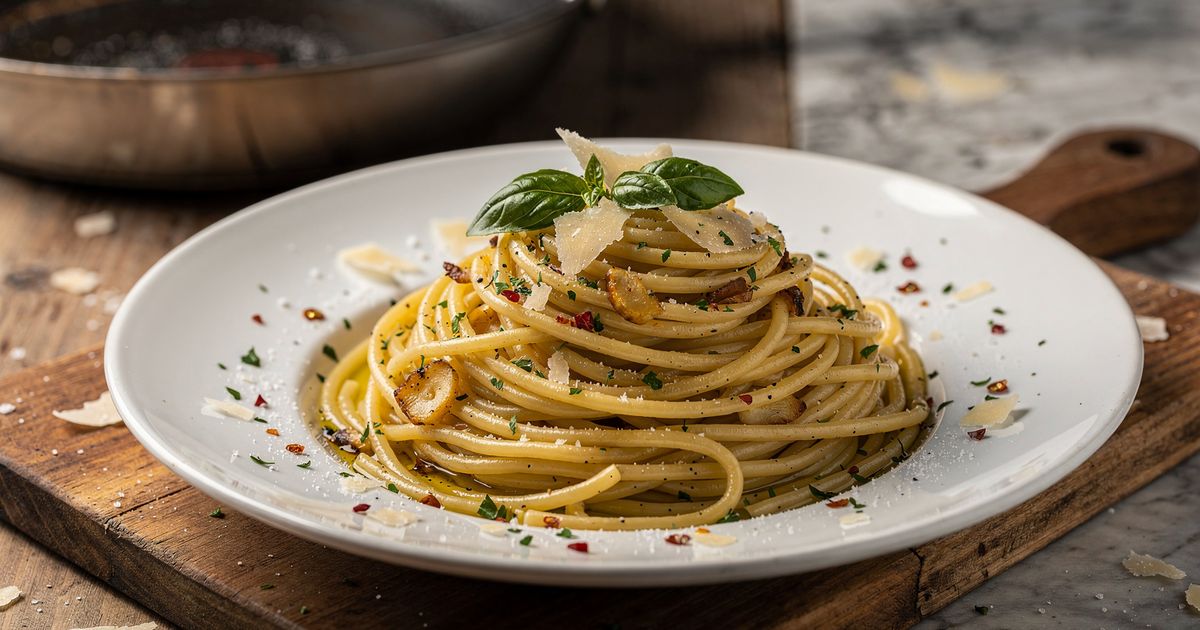
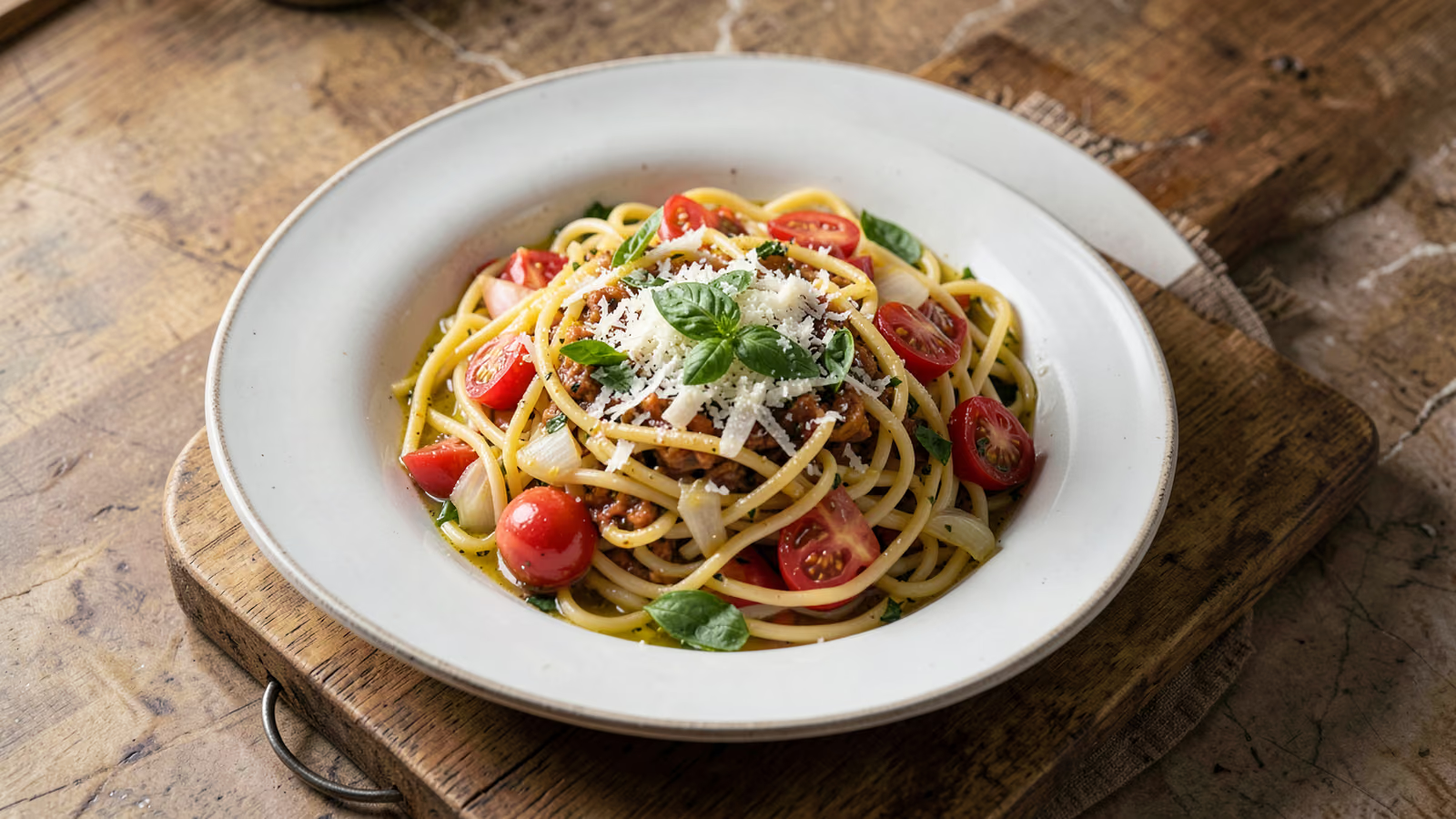
Spaghetti al Pomodoro is Italy's everyday tomato pasta: ripe tomatoes cooked down with garlic in extra-virgin olive oil, brightened with torn basil, and tossed with spaghetti until every strand is glossy and red. The method is short but deliberate — crush the tomatoes, keep the garlic pale gold, simmer the sauce for 15 minutes, then finish the drained pasta in the pan with a splash of its own starchy water so the sauce clings. Budget about 30 minutes for 4 servings, most of it the sauce simmering while the pasta water boils.
- Prep
- 10 min
- Cook
- 20 min
- Total
- 30 min
- Serves
- 4
Ingredients
What you’ll need — tap to tick off as you go
- 400 g
- 800 g
- 3 cloves
- 4 tbsp
- 10 g
- 1 tbsp
- ½ tsp
- 1 tsp
Process
Timers built in · swap anything · ask as you cook
Bring a large pot of water to a rolling boil, add the 1 tbsp salt and stir until it dissolves. Season this water confidently: the spaghetti absorbs salt as it cooks and the sauce is seasoned lightly on purpose, so this is where most of the dish's backbone comes from. Keep the water at a hard boil before the pasta goes in.
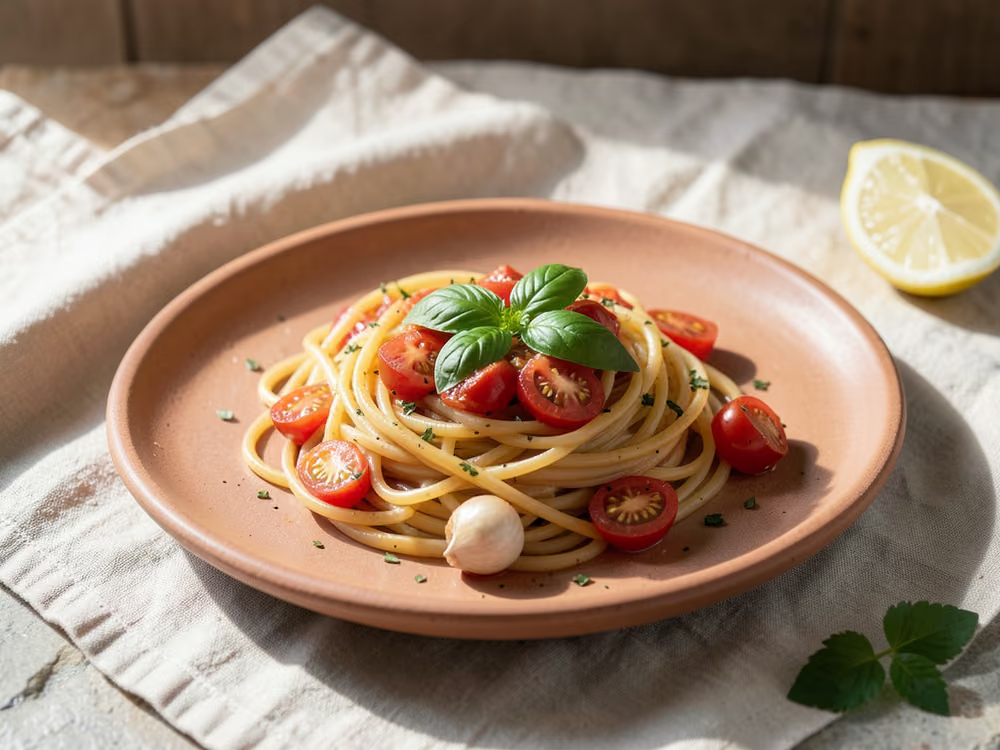
While the water comes to a boil, prepare the tomatoes: score a shallow X into the bottom of each, then blanch in boiling water for 30 seconds and move straight into the iced water to stop the cooking. The skins will have loosened and slip off easily. Peel, core and crush the tomatoes by hand or through a food mill, keeping the juices; canned tomatoes skip the blanch and are crushed directly.
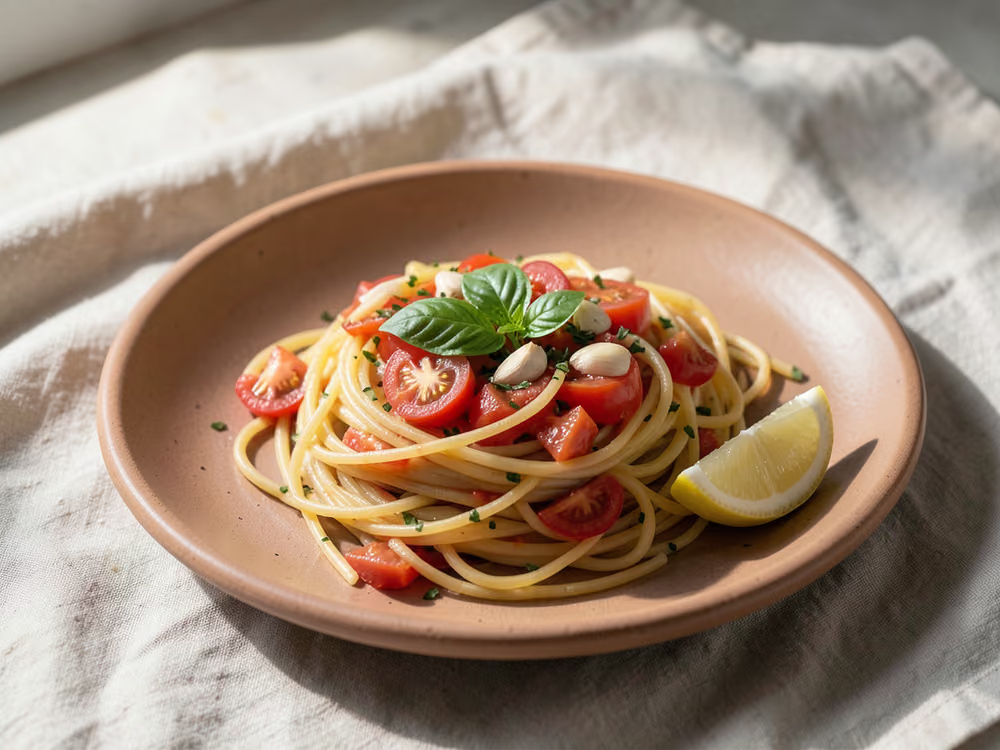
Heat the 4 tbsp olive oil in a large skillet over medium heat, add the 3 smashed garlic cloves and cook for 1 to 2 minutes, until the oil smells sweet and the garlic is fragrant and pale gold at the edges. Watch it closely: garlic tips from gold to bitter brown quickly, so pull a clove out if it starts to darken.
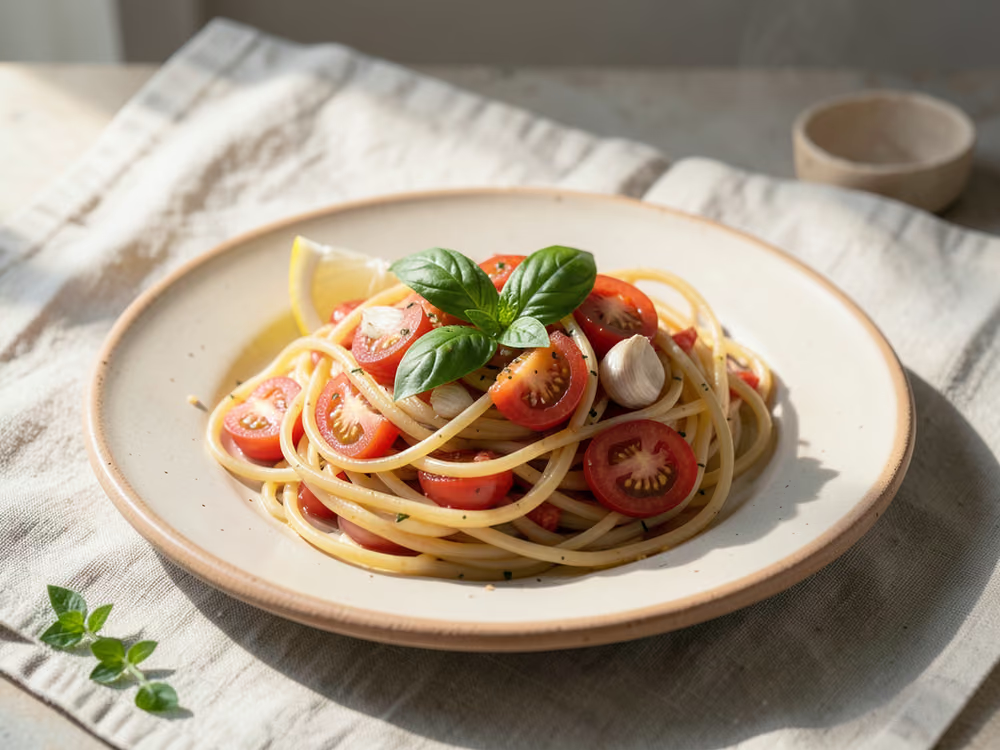
Add the crushed tomatoes and their juices, the 1 tsp salt and the black pepper, and stir to combine. Bring the sauce to a gentle simmer and cook it uncovered for 15 minutes, stirring now and then, until it thickens enough to coat the back of a spoon. Taste at the end; if the sauce reads sharp, stir in the sugar.
Add the 400 g of spaghetti to the boiling water and cook until it is nearly al dente, checking about 1 minute before the package time says. Bite a strand: it should be tender at the edges with a firm centre and no chalky core. The pasta finishes in the sauce, so stop it while it still has some bite.
Scoop out about 1 cup of the pasta water and set it aside, then drain the spaghetti without rinsing it. The reserved water is cloudy with starch, which is what will let the sauce grip the pasta; keep it within reach, because you add it by feel in the next step. Have the sauce hot and waiting.
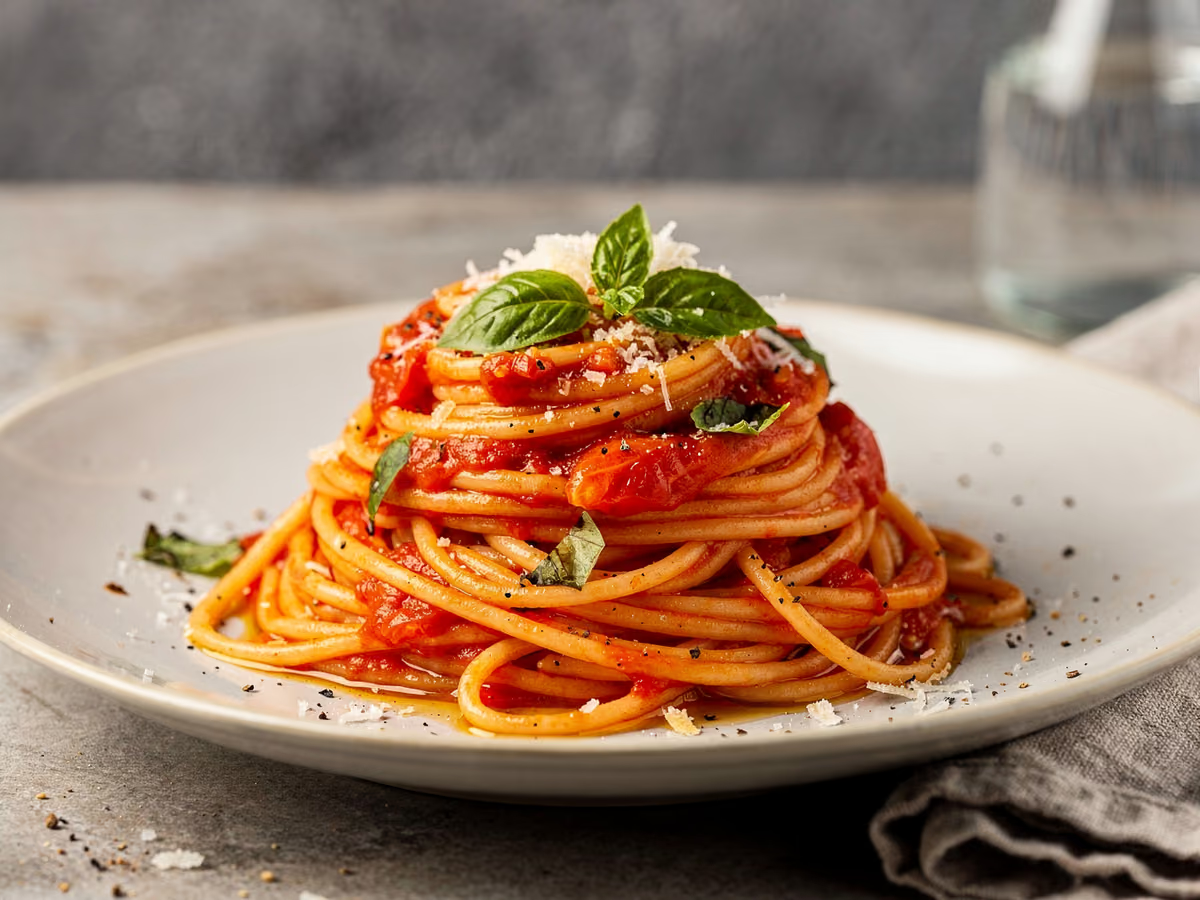
Tip the drained spaghetti into the skillet with the sauce, add a splash of the reserved pasta water, and toss over medium heat for 1 to 2 minutes, until the sauce turns glossy and coats every strand. Off the heat, tear in the 10 g of basil and stir it through — the pan's residual warmth releases the aroma without cooking it out.
Serve immediately in warm bowls, with the extra basil scattered over and a drizzle of olive oil if you like. Spaghetti al pomodoro is at its best in the first minutes: the sauce keeps tightening and the pasta keeps drinking it, so carry the pan to the table as soon as the strands are dressed.
Why this recipe works
The sauce thickens because the tomatoes simmer uncovered for 15 minutes: their cell walls collapse, water evaporates, and the pulp reduces until it coats a spoon; ripe plum tomatoes start that reduction from a sweeter, meatier place. The garlic works on a smaller clock — the sugars that flavour the oil at a gentle heat scorch in seconds once the pan runs hot, which is where bitter sauces come from. Finally, salt seasons the spaghetti from within as it hydrates in the pot, and the starch it sheds turns the reserved pasta water into an emulsifier, so the last toss binds sauce, oil and starch into one glossy coat instead of a puddle.
Equipment
- Large pot, deep enough to boil 400 g of spaghetti without crowding
- Large skillet or wide sauté pan that can hold the sauce and then the drained pasta
- Colander or spider strainer
- Bowl of iced water, for cooling the blanched tomatoes
- Food mill (optional, for a smoother sauce)
- Chef's knife and cutting board
- Measuring cups and spoons
- Wooden spoon or heatproof spatula, for stirring and tossing
Kitchen notes
Kitchen notes
- Salt the pasta water to roughly 1 percent by weight — seasoned like a soup. The old advice to make it as salty as the sea overshoots badly and leaves both the spaghetti and the finished sauce aggressively salty.
- Keep the garlic cloves whole and lightly smashed rather than minced: big pieces flavour the oil slowly and are much harder to scorch in the 1 to 2 minutes before the tomatoes go in.
- The starchy water is the only thickener this sauce gets, so use it with intent: tossed over heat, it helps oil and tomato bind into a glaze that clings to the strands. If the pan looks dry before the pasta is well coated, add another splash of that water rather than more oil.
- Add the basil only once the pan is off the heat, and tear the leaves instead of cutting them. Heat and a knife blade both crush the oils that give basil its perfume, while torn leaves stirred in at the end stay fresh and green against the tomato.
- For the polished texture of a restaurant plate, pass the finished sauce through a food mill before the pasta goes in, then complete the toss in the pan. The sauce turns smooth and even without changing a single ingredient, and the starchy finish gives it a cling that a ladle of sauce spooned over plain drained pasta lacks.
Common mistakes
- Bitter, acrid sauce: the garlic browned past pale gold, or the tomatoes went in underripe and sharp. Keep the garlic over medium heat for only 1 to 2 minutes and pull a clove the moment its edges darken; taste the fruit before it goes in, and let the optional 1 tsp of sugar round off a tart batch.
- Watery sauce that slides off the pasta: the tomatoes were blended to a liquid, or the sauce left the stove early. Crush them by hand so some pulp remains, simmer uncovered for the full 15 minutes until the sauce coats a spoon, and finish the pasta in the pan with its starchy water so the last of the liquid binds instead of pools.
- Flat, thin-tasting sauce despite good tomatoes: the pasta water was under-salted. The 1 tbsp should make the water taste seasoned, like a light soup — that is what seasons the spaghetti from within — and salt added at the table cannot put back what the water should have given it.
- Gummy, clumped spaghetti: the strands sat unstirred during the first minutes of boiling, or waited too long after draining. Stir as the pasta goes in and again right after, then have the sauce hot and the colander ready so the drained spaghetti reaches the pan within moments.
- Soft, overcooked strands: the pasta was cooked to the full package time and left standing before dressing. Drain it about 1 minute early, while the centre still resists the tooth — it finishes al dente in the sauce — and keep the final toss to 1 to 2 minutes over medium heat.
Serving suggestions
- Serve immediately in warmed bowls, with extra basil torn over the top and a drizzle of olive oil at the table.
- Portion it the Italian way as a primo: a smaller bowl to open the meal, with a main course to follow; as a main dish, the 400 g serves 4 generously.
- Grated Parmesan or pecorino, offered on the side so the dish stays vegan and dairy-free for whoever wants it that way.
- A crisp salad, good bread and cold sparkling water with lemon keep the table in the spirit of the dish; anything heavier competes with the tomatoes.
Variations
- Gluten-free — a variation, not the same dish: use 400 g of gluten-free spaghetti and expect a softer bite and a cloudier pot. It releases more starch and softens faster, so check it early and keep extra pasta water to loosen the finish.
- No-cook summer version: combine the crushed tomatoes, garlic, torn basil and oil in a bowl and let them stand while the spaghetti boils, then finish the pasta in the pan with the starchy water — brighter and more fragrant, with less of the slow-cooked depth.
- Spicy version: add a pinch of dried chilli flakes alongside the garlic, or split a small fresh chilli and steep it in the oil, for an arrabbiata-leaning sauce; fish either out before the pasta goes in so the heat stays clean rather than harsh.
Refrigerator
- RefrigeratorCool the leftovers promptly and refrigerate within 2 hours of cooking, in an airtight container, for up to 3 days. The spaghetti keeps absorbing the sauce as it sits, so it tastes and looks softer each day; a splash of water during reheating brings the texture back.
- ReheatingReheat in a skillet over medium heat with a splash of water, tossing until hot throughout; leftovers should reach 74°C on the inside, which is the USDA's reheat guidance. The microwave works in a pinch, covered, but the skillet keeps the pasta from going limp.
- FreezingNot recommended. Cooked spaghetti turns mushy and the sauce separates on thawing, so the texture never fully recovers; the sauce on its own freezes well if you want a head start another night.
- Make aheadThe sauce is the part to make ahead: it keeps up to 3 days in the fridge, covered, and deepens overnight. Cook the pasta fresh and finish it in the reheated sauce as written — tossing the whole dish together in advance leaves the strands swollen and dull.
Updated:
How this recipe was developed
- Serious Eats technique guides — pasta water salinity of roughly 0.5 to 2 percent, starchy water as an emulsifier, and garlic scorching as the usual cause of bitter tomato sauce
- GialloZafferano — Spaghetti al pomodoro (Italian home-cooking method; sauce keeps 2 to 3 days refrigerated)
- America's Test Kitchen — testing of sugar for balancing acidic tomato sauce (a small amount of sugar rounds off tartness without dulling the tomato flavour)
- USDA FSIS — Leftovers and Food Safety (refrigerate within 2 hours, keep 3 to 4 days, reheat to 74°C)
Editorial references are kept internally for verification. This page makes no claim of external certification or professional testing.
FAQ
The questions we get asked most
Can I use canned tomatoes instead of fresh?
Yes — use the same 800 g of good-quality whole peeled tomatoes, crushed by hand with their juices. Good canned tomatoes are picked and packed at peak ripeness, so out of season they beat pale supermarket fresh ones; in summer, ripe fresh tomatoes are the better choice. A sweet plum variety is the classic pick.
How do I keep the tomato sauce from being watery?
Two things: texture and time. Crush the tomatoes by hand rather than blending them — a blender turns them into liquid — and let the sauce simmer uncovered for the full 15 minutes, until it coats the back of a spoon. Then finish the pasta in the pan with a splash of starchy water; tossed over heat, that splash helps the sauce bind and cling rather than sit thin in the bowl.
Why is my tomato sauce bitter?
The usual culprit is garlic that went past pale gold — its sugars scorch quickly, and one burnt clove can flavour the whole pan. Cook the garlic gently for 1 to 2 minutes and lift it out if it darkens. Underripe, acidic tomatoes can taste sharp and bitter too; ripe fruit, a slow simmer and the optional 1 tsp of sugar are the fixes.
Is spaghetti al pomodoro vegan?
As written, yes: dried pasta is made from durum wheat and water with no egg, and the sauce is only tomatoes, garlic, olive oil, basil, salt, pepper and the optional sugar, so it is dairy-free and vegan too. Two things to watch: some specialty dried pastas do contain egg, so check the label, and the grated cheese often served on top is an add-on, not part of the recipe.
Do I need to add sugar to the sauce?
Only if it tastes sharp. Ripe, in-season tomatoes usually need none, which is why the recipe makes the 1 tsp optional; it is there for acidic, underripe or late-season fruit. Taste after the 15-minute simmer, add it little by little, and stop while the sauce still tastes of tomatoes rather than sweetener.
Can I make the sauce ahead of time?
Yes — up to 3 days ahead, cooled quickly and kept covered in the fridge. It deepens as it stands and reheats gently in the pan; the sauce also freezes well on its own for another night. Cook the spaghetti fresh when you serve and run the final toss as written, since the assembled dish is what does not keep.
What pasta shape works besides spaghetti?
Any long dried pasta: linguine and bucatini are the closest matches, with bucatini needing a minute or two longer. Short ridged shapes such as rigatoni or penne rigate also work well because the sauce catches in the ridges and hollows; keep the 400 g and save a little extra pasta water, since short shapes need more help to stay glossy.
Ask KitchenMind about this recipe
Tell it what’s different tonight — it works within the actual recipe.