Gai Yang (Thai Grilled Chicken)
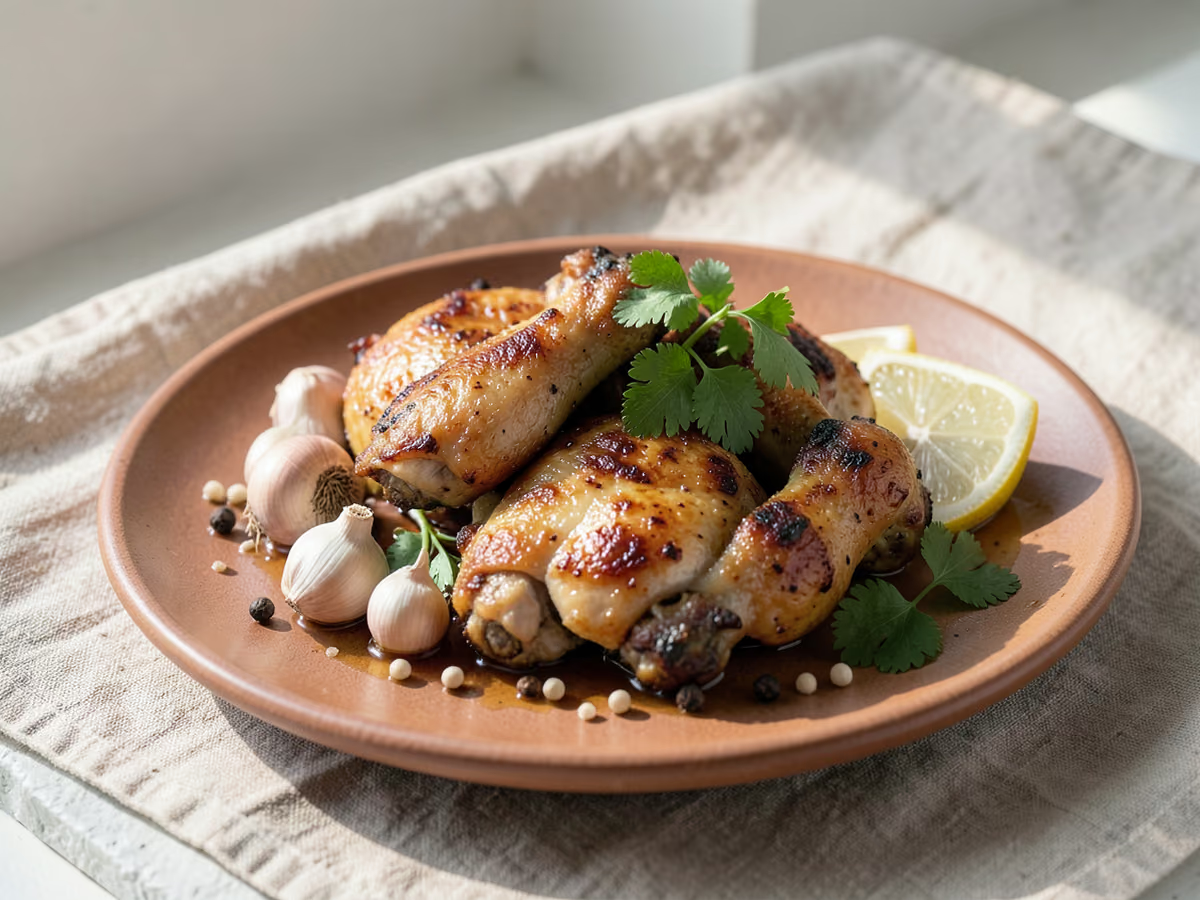
Gai yang is the smoky charcoal-grilled chicken of Thailand's Isan region: bone-in, skin-on legs soaked in a punchy marinade of garlic, cilantro root, white peppercorns, fish sauce, palm sugar and soy sauce, then grilled over medium heat until the skin chars in spots and the meat stays juicy. Prep is 20 minutes of pounding and rubbing, the grill takes 25, and the marinating happens on its own. Serve with sticky rice and a lime-chili dip for the full street-stall spread.
- Prep
- 20 min
- Cook
- 25 min
- Total
- 285 min
- Additional time
- 240 min
- Serves
- 4
Ingredients
What you’ll need — tap to tick off as you go
- 4 cloves
- 1 tsp
- 3 tbsp
- 2 tbsp
- 1 tbsp
- 2 tbsp
- 300 g
Process
Timers built in · swap anything · ask as you cook
Pound the 4 garlic cloves, 3 cilantro roots and 1 tsp white peppercorns in a mortar and pestle into a coarse, fragrant paste, about 3 minutes; move the pestle in circles so the aromatics crush and release their oils instead of splitting into chunks. No mortar: pulse the same three in a small food processor, stopping while the paste still has texture.
Scrape the paste into a bowl and stir in the 3 tbsp fish sauce, 2 tbsp chopped palm sugar, 1 tbsp soy sauce and 2 tbsp vegetable oil until the sugar dissolves and the marinade turns smooth and glossy. Taste a drop: it should be intensely salty-sweet now, because the chicken will temper it.
Pat the 4 chicken legs dry with paper towels, then score the thickest part of each leg twice with a knife, cutting through the skin down to the meat. Dry skin lets the paste grip, and the slashes let the salty marinade reach the centre, so the meat seasons all the way through rather than only at the surface.
Rub the marinade all over the legs, lifting the skin at the top of each thigh to work the paste onto the meat underneath, then coat the drumsticks and any exposed bone ends. Cover and refrigerate for at least 4 hours, ideally overnight; the salt and aromatics need that time to season the meat under the skin.
Take the chicken out of the fridge 30 minutes before cooking so the legs lose their chill; cold meat drags down the grill temperature and cooks unevenly. Heat a grill or grill pan to medium, about 180°C at the cooking surface, and oil the grate lightly so the sticky marinade releases cleanly.
Grill the legs skin-side down for 10–12 minutes, turning every 3–4 minutes so the skin renders and chars without burning; move pieces to a cooler part of the grill if the fat flares. They are done when the thickest part of a thigh reads 74°C and the juices run clear, so keep turning if they need a little longer.
While the chicken grills, juice the 1 lime into a small bowl and stir in the 3 Thai chilies, finely chopped, with a pinch of palm sugar until it dissolves. The dip should be sour and fiery with just a sweet edge, ready to cut the rich, smoky skin.
Rest the legs on a board for 5 minutes so the juices settle and the skin stays crisp; cutting straight away lets the juices run out and steams the crust. Serve with the 300 g steamed sticky rice and the dipping sauce, pulling the legs apart at the joints or chopping each into two pieces.
Why this recipe works
Pounding garlic, cilantro root and white peppercorns ruptures their cells and releases the volatile oils that give gai yang its punch; a coarse paste also clings to the skin instead of sliding off. The marinade works by salt and time: fish sauce and soy carry seasoning into the scored meat and help it hold moisture, while palm sugar stays on the surface to caramelise into the lacquered, faintly charred glaze that defines the dish. Because that sugar scorches easily, the chicken grills over medium heat with frequent turns, and the skin bastes the meat below with rendered fat so it stays juicy on the way to 74°C.
Equipment
- Charcoal grill, gas grill, or a ridged grill pan for indoor cooking
- Mortar and pestle, or a small food processor for the aromatic paste
- Shallow glass dish or zip-top bag that holds the 4 chicken legs in a single layer
- Instant-read thermometer
- Long tongs for turning the legs and moving them between heat zones
- Chef's knife and cutting board for scoring the legs
- Small bowl for the lime-chili dipping sauce
- Steamer pot with a bamboo or fine-mesh basket, for the sticky rice
Kitchen notes
Kitchen notes
- Build a two-zone grill, or keep a cool corner in a charcoal bed banked to one side: the legs cook over medium heat and have somewhere to retreat when dripping fat flares up, and charcoal adds a smoke note a gas grill cannot match.
- Take the reading in the meat, not at the bone: bone heats faster and can push the thermometer high while the flesh beside it is still underdone. Slide the probe into the thickest part of the thigh and check a second spot if you are in any doubt.
- Leave the rubbed legs uncovered in the fridge for the last stretch of marinating: the moving air dries the surface, so the sugars set and lacquer quickly over the heat instead of steaming the skin soft.
- Set aside a spoonful of the marinade before the chicken goes in and brush it over the legs during the first half of grilling for a deeper glaze; once a spoon has touched raw chicken it must not go back onto the food.
- Start the sticky rice before you pound anything: it needs its 4-hour soak and a steam while the chicken rests, so both clocks finish together. A grain is ready when it crushes between your nails with no chalky core left.
Common mistakes
- Burnt skin with a raw centre: the sugary marinade scorches fast over high heat, so the outside blackens before the leg cooks through. Hold the grill at medium, about 180°C, turn every 3-4 minutes, and slide the legs to a cooler zone when fat flares; let the thermometer at 74°C, not the colour, decide when they are done.
- Bland meat under crisp skin: the legs were not scored, or the paste only touched the surface, so the seasoning never reached the middle. Score the thickest part of each leg twice, rub paste under the skin as well as over it, and give the marinade the full 4 hours minimum.
- Bitter, grassy flavour from the marinade: cilantro leaves went into the mortar along with the roots. Leaves turn bitter once pounded and grilled, so use only scrubbed roots or thick stems, and keep any leaves for a fresh garnish at the table.
- Skin stuck and tore on the grate: the bars were not oiled, or the legs were flipped before the skin had browned and released on its own. Oil the grate once it is hot, and leave each piece for its full 3-4 minutes before the first turn.
- Meat turning mushy close to the bone: the chicken marinated well past a day, and the salty fish sauce keeps working the longer it sits, softening the texture. Keep the window between 4 and 24 hours, and let the legs marinate in the fridge rather than on the counter.
- Legs charred outside but cool at the bone: they went onto the grill straight from the fridge, so the outside cooked before the centre caught up. Rest them at room temperature for the full 30 minutes first, and start them skin-side down for the best rendering.
Serving suggestions
- Serve one leg per person hot off the grill, with a warm mound of the 300 g sticky rice and the lime-chili dip; the classic plate is eaten with the hands, so put out a bowl for bones and plenty of napkins.
- Pair it with som tam, the cold, sour green papaya salad of the Isan table: its crunch and acidity cut the smoky fat of the skin, and together with sticky rice it is the way gai yang is most often served in Thailand.
- Dip first, then pinch: tear off a bite of chicken, drag it through the sauce, and follow with a small ball of sticky rice pressed together with your fingers, so every mouthful carries smoke, heat and chew.
- Keep the drinks cold and uncomplicated: iced tea, sparkling water with lime or chilled barley tea clears the palate between bites without competing with the dip.
Variations
- Jaew-style dip: stir 1 tbsp fish sauce, 1 thinly sliced shallot and 1 tbsp of toasted, coarsely crushed sticky rice into the lime-chili dip; the rice powder thickens it and adds the smoky, nutty depth of the classic Isan sauce that usually sits beside gai yang.
- Lemongrass and turmeric: pound a bruised stalk of lemongrass into the paste and add a pinch of turmeric with the wet ingredients; both are common in gai yang marinades, and they push the flavour toward citrus and a light gold colour.
- Mild table: set a second bowl of Thai sweet chili sauce beside the lime-chili dip for anyone who wants less heat; the sweet, mild sauce is the usual fallback, and the chicken itself stays exactly as grilled.
Refrigerator
- RefrigeratorCool the leftovers within 2 hours of grilling, then refrigerate in an airtight container for up to 3 days. The skin softens a day in; reheat only what you plan to eat and leave the rest cold for salads or rice bowls.
- ReheatingWarm the legs in a 160°C oven for 10-12 minutes, skin-side up, until hot through; USDA FSIS guidance is 74°C for reheated leftovers. Do not microwave: the skin turns rubbery before the meat is evenly hot.
- FreezingWrap tightly and freeze for up to 2 months; the skin suffers most in the freezer, so thaw overnight in the fridge and reheat in the oven or a hot pan to bring back what crispness you can.
- Make aheadThe marinade rub is the make-ahead step: 4 hours at minimum, overnight ideally, up to 24 hours. The aromatic paste can be pounded and refrigerated a day earlier, and the dip mixed a few hours ahead, though the lime is best juiced at the last moment.
Updated:
How this recipe was developed
- USDA FoodSafety.gov safe minimum internal temperature chart (all poultry, including bone-in legs and thighs, cooked to 74°C)
- USDA FSIS Leftovers and Food Safety (refrigerate cooked food within 2 hours; leftovers keep 3-4 days refrigerated; reheat to 74°C)
- J. Kenji López-Alt, Serious Eats, Thai-Style Grilled Chicken (Gai Yang) - Isan origin, cilantro root as the marinade backbone, and the non-acidic fish sauce, palm sugar, garlic and white pepper marinade grilled slowly over charcoal
- Pailin Chongchitnant, Hot Thai Kitchen, Ultimate Thai BBQ Chicken (Gai Yang) - medium-heat grilling with frequent turning because the sugary marinade burns quickly; the rested chicken served with sticky rice and a jaew-style chili dip
Editorial references are kept internally for verification. This page makes no claim of external certification or professional testing.
FAQ
The questions we get asked most
Why did my gai yang turn out dry?
Gai yang goes dry when the heat is too high or the legs stay on too long. Bone-in, skin-on legs are forgiving, but only if you grill at medium, about 180°C, turn every 3-4 minutes, and pull them at 74°C in the thickest part of the thigh. Resting for 5 minutes before carving lets the juices settle back into the meat instead of running out onto the board.
Can I make gai yang without a grill?
Yes, and two fallbacks both work. Use a ridged grill pan over medium heat with the same 3-4 minute turns, or roast the legs in a 200°C oven for 25-30 minutes and broil them for 3-4 minutes at the end to blister the skin. You lose some charcoal smoke, but the marinade and the 74°C target keep the flavour and the juiciness intact.
How long should I marinate the chicken for gai yang?
At least 4 hours, and overnight is best. The salt and the aromatics need time to reach the meat under the skin, and because the marinade is not acidic it will not chemically cook the flesh while it waits. Do not go beyond 24 hours, though: the fish sauce keeps working and starts to break down the texture.
What can I use instead of cilantro roots in gai yang?
About 1/2 cup of thick cilantro stems is the closest swap; they give a milder version of the same earthy, floral note. Use only stems, since the leaves turn bitter when pounded and grilled. If you ever find a bunch with the roots still attached, scrub them clean and freeze them so the authentic base is always on hand.
Is gai yang gluten-free?
Not as written, because the 1 tbsp of soy sauce contains wheat. Swap in tamari or a certified gluten-free soy sauce at the same measure; the fish sauce, palm sugar and the rest of the marinade are naturally gluten-free, so the dish becomes fully gluten-free with that single change.
How do I know when the gai yang chicken is done?
Use an instant-read thermometer: the thickest part of the thigh, not touching the bone, should read 74°C, the USDA FSIS minimum for poultry. The juices should run clear and the meat should feel firm but give at the joint. If the skin is already deeply charred before the thigh gets there, move the legs to a cooler part of the grill and keep turning.
Can I use chicken breast instead of the legs for gai yang?
You can, but white meat dries out faster, so check it early and pull it the moment it hits 74°C; plan on roughly 6-8 minutes per side rather than the legs' 10-12. Keep the marinade to no more than 4 hours for breast, since the leaner meat takes on the salt more quickly. Legs remain the classic cut for this dish for good reason.
Ask KitchenMind about this recipe
Tell it what’s different tonight — it works within the actual recipe.