Chicken Korma
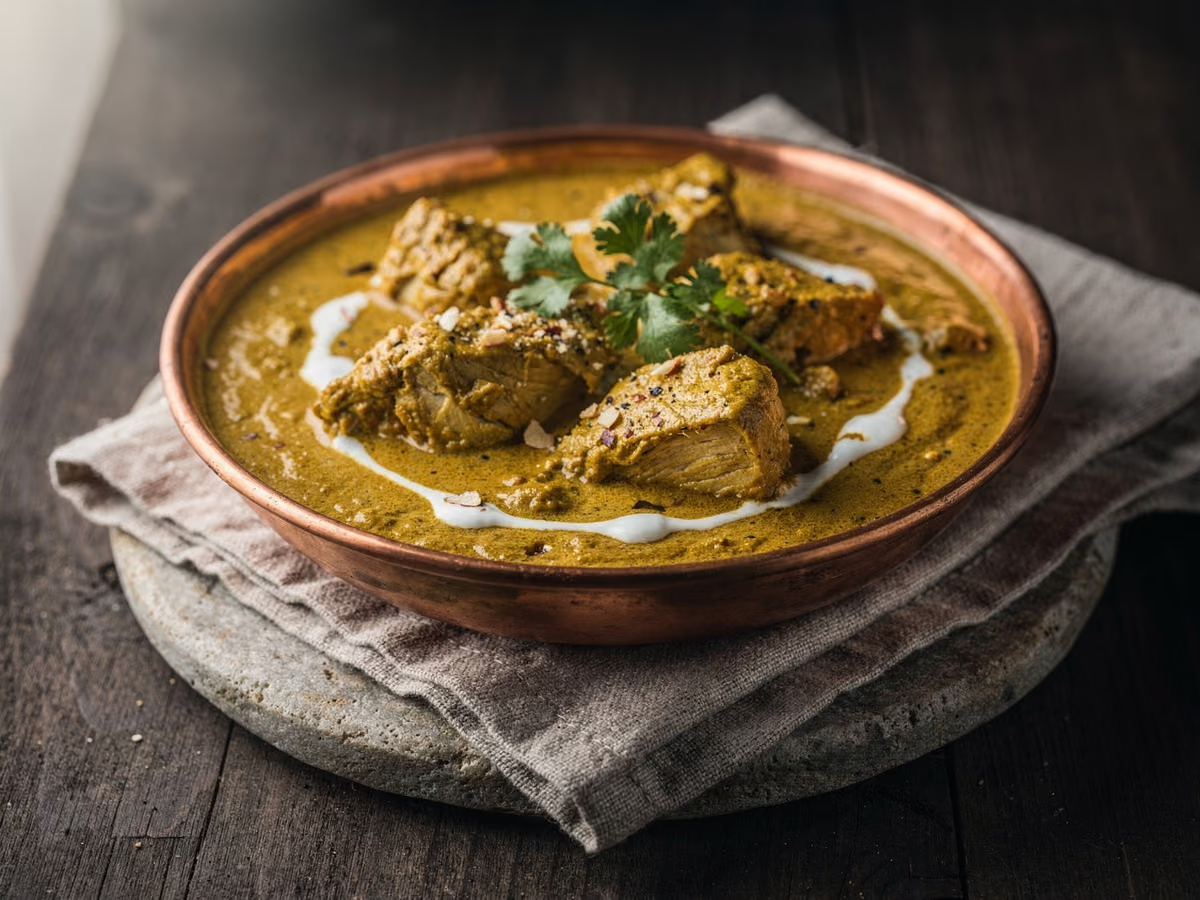
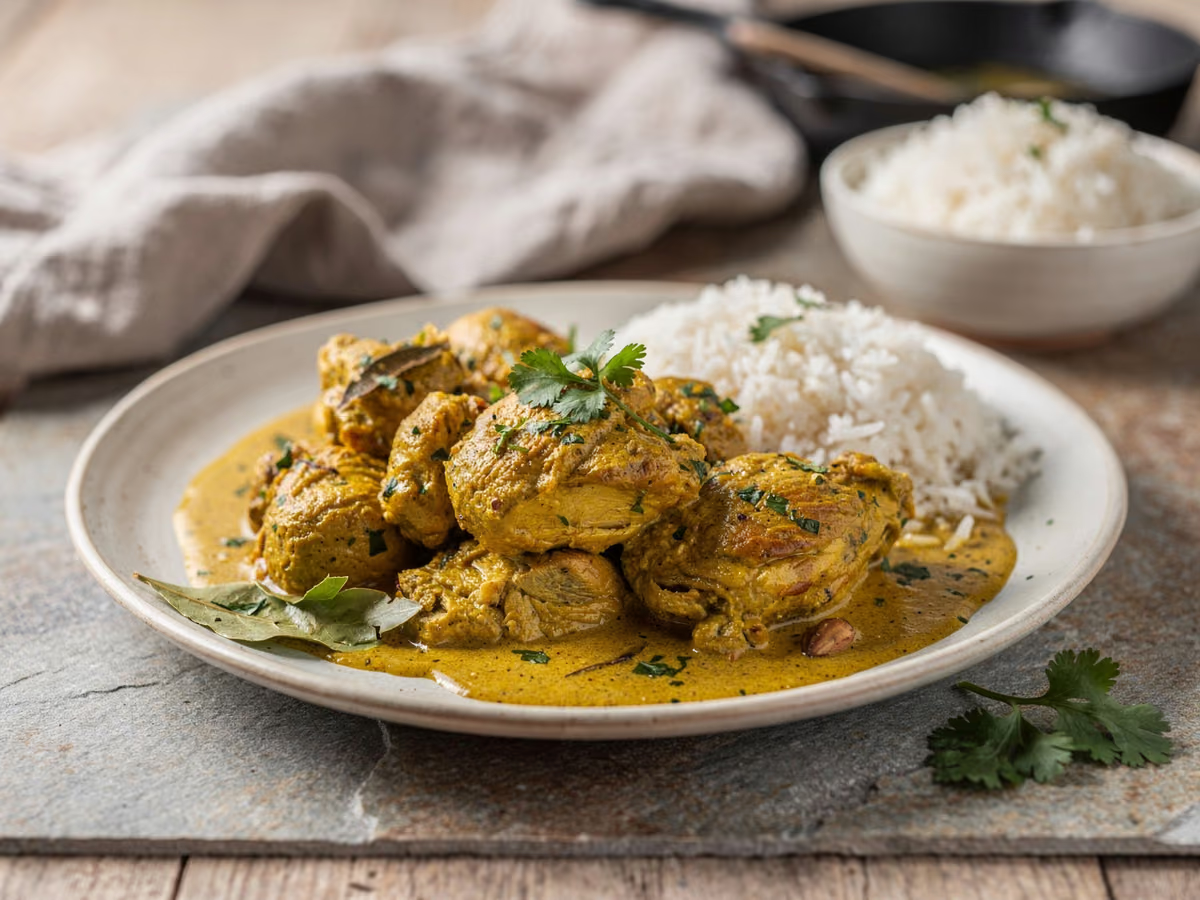
Chicken korma is the mild, nut-thickened end of the curry family: 600 g of bite-sized thigh marinates in 150 g of full-fat yogurt and 50 g of ground almonds, then simmers with cardamom, bay, coriander, cumin and a spoon of garam masala until the gravy turns pale gold and silky. The marinade needs 30 minutes and the pot about 40, most of it a gentle, covered simmer that asks for little more than the occasional stir.
- Prep
- 20 min
- Cook
- 40 min
- Total
- 90 min
- Additional time
- 30 min
- Serves
- 4
Ingredients
What you’ll need — tap to tick off as you go
- 600 g
- 150 g
- 50 g
- 4 cloves
- 1 tbsp
- 3 tbsp
- 1 tbsp
- 1 tsp
- 1 tsp
- ½ tsp
- 1 tsp
- 200 ml
- 1 tsp
- 2 tbsp
Process
Timers built in · swap anything · ask as you cook
Mix the 600 g chicken pieces in a bowl with the 150 g yogurt, the 50 g ground almonds and 0.5 tsp of the salt, turning everything until each piece is coated. Cover and refrigerate for at least 30 minutes, or up to 2 hours. The yogurt's mild acid seasons the surface while the nut meal clings to the chicken and later thickens the sauce.
Set a large heavy pot over medium heat with the 3 tbsp vegetable oil and 1 tbsp ghee. When the ghee has melted, add the 4 lightly crushed cardamom pods and the bay leaf and let them sizzle for about 30 seconds, until the pods smell sweet and the bay turns glossy. This is the aromatic base the whole sauce stands on.
Add the 2 finely chopped onions and cook, stirring every minute or two, for 8 to 10 minutes until they are golden brown and soft with no raw crunch left. Their sugars need that time in the fat; onions pulled out pale make a thin, sharp sauce that never quite rounds out.
Stir in the 4 minced garlic cloves and the 1 tbsp grated ginger and cook for 1 minute, until the raw smell turns sweet and nutty. Both burn quickly in hot fat, so keep them moving and let the onions shield them from the base of the pot.
Reduce the heat to low and add the 1 tsp ground coriander, 1 tsp ground cumin, 0.5 tsp turmeric and 1 tsp garam masala. Stir constantly for about 30 seconds, just until the spices darken a shade and smell nutty; they scorch in under a minute at this heat, and bitter spices cannot be rescued.
Add the marinated chicken with all of its marinade and raise the heat to medium. Cook for 5 to 7 minutes, turning the pieces so they seal on all sides and the yogurt cooks down to a clinging, pale coating. Keep it at a gentle bubble rather than a rolling boil; this is the stage where a korma splits if the heat is too high.
Pour in the 200 ml chicken stock and bring it to a gentle simmer, scraping the base of the pot as the liquid loosens anything stuck there. Reduce the heat to low, cover, and cook for 20 minutes, stirring every 5 minutes or so, until the chicken is tender and the thickest piece reads 74°C.
Uncover and simmer for another 5 to 10 minutes, stirring often, until the sauce coats the back of a spoon. Ground almonds make this stage quick: stay at the pot, because the sauce can catch on the base within 2 minutes. Taste, then add the remaining 0.5 tsp salt if the gravy needs it.
Take the pot off the heat and let it settle for 5 minutes, so the sauce tightens and the fat on the surface stirs back in. Scatter over the 2 tbsp chopped cilantro and serve hot with rice or naan, leaving the cardamom pods in as a quiet warning to eat around them.
Why this recipe works
Korma's richness comes from an emulsion that can fail two ways: yogurt is a web of casein proteins holding fat and water, and when it meets a hard boil those proteins tighten and squeeze the whey out, which is the grainy split you see in a rushed korma. Sealing the marinated chicken over medium heat and keeping the pot at a bare simmer afterwards lets the casein set gently instead. The ground almonds do double duty: the fine nut meal thickens the gravy, and the fat it releases helps steady the yogurt. Toasting the ground spices for their short 30 seconds dissolves their flavour into the fat, which is why the finished sauce tastes deep rather than dusty.
Equipment
- Large heavy-bottomed pot or Dutch oven, 4 to 5 litres, with a lid
- Mixing bowl for the marinade
- Chef's knife and cutting board
- Fine grater for the ginger
- Wooden spoon or heatproof spatula
- Instant-read thermometer
- Measuring spoons
Kitchen notes
Kitchen notes
- Toast the 50 g ground almonds in a dry pan for a minute before they join the marinade. It is a small detour that gives the finished sauce a deeper, nuttier base.
- Marinate for 30 minutes if that is all the time you have, but do not leave the chicken in the yogurt all night: past about 2 hours the acid keeps working on the surface and the texture turns soft.
- Take the yogurt out of the fridge as you start cooking. Room-temperature yogurt folds into the hot pot evenly, while a cold bowl drops the temperature and makes the marinade seize into lumps.
- Count the 4 lightly crushed cardamom pods in, and count them out if you like a smooth sauce. They are edible but intense, and one bitten pod overpowers an entire spoonful.
- Korma thickens overnight, so loosen leftovers with a splash of stock over low heat, stirring, until the sauce flows again; reheat it gently to 74°C and never let it boil hard a second time.
Common mistakes
- Split, grainy sauce: the marinated chicken hit too much heat, so the casein proteins clenched and pushed the whey out. Seal the chicken at medium with constant stirring for the first minutes, and hold a bare simmer rather than a rolling boil once the stock is in.
- Dull, faintly bitter spices: the ground spices toasted past their 30 seconds on heat that was too high. Keep the heat low, stir without stopping, and add the chicken the moment they smell nutty instead of acrid.
- Thin, sharp-tasting sauce: the onions were pulled out pale, or the garlic went in too early and burned. Give the onions their full 8 to 10 minutes to gold, and add the garlic and ginger only for the final minute.
- Dry, stringy chicken: the covered simmer ran long or the sauce cooked right down. Check the thickest piece at 20 minutes, and pull the pot as soon as it reads 74°C rather than waiting for the sauce to look perfect.
- Sauce that catches on the base: the final uncovered minutes were left unattended, and the ground almonds settled and scorched. Stir every minute at this stage, and loosen with a splash of the 200 ml stock if it tightens faster than expected.
- A watery, wan korma: low-fat or fridge-cold yogurt in the marinade. Use full-fat yogurt at room temperature, and let the uncovered stage reduce the sauce until it genuinely coats a spoon.
Serving suggestions
- Serve hot over basmati rice or with warm naan, 4 generous portions; the sauce is the point of the dish, so give each bowl a full ladle and leave the rice as a backdrop.
- Mango chutney, a cucumber raita and sliced red onion on the side add the sweet, cool and sharp notes the mild sauce is missing on its own.
- To drink, iced tea, sparkling water or a salted lassi; the curry is rich and gentle, so keep the drink cold and light.
- This is a curry that improves overnight, so plan for four portions and keep one back deliberately: it will taste even rounder the next day.
Variations
- Slow-cooker korma: seal the chicken and cook the onions, garlic and ginger on the stovetop first, then tip everything into the insert with the stock and ground almonds and cook on low for 4 to 5 hours. Stir the yogurt in off the heat at the end; a slow cooker cannot split what it never boils.
- Nut-free version, a different dish: swap the 50 g ground almonds for 2 tbsp gram flour whisked into the yogurt, which thickens and steadies the sauce in the same way. It is lighter and less nutty, with slightly less body.
- Vegetable korma: add 200 g of cauliflower florets or waxy potato chunks with the stock and keep the full 20-minute simmer. They thicken the sauce and stretch the dish, but they also drink the gravy, so expect less sauce per portion.
Refrigerator
- RefrigeratorCool the pot within 2 hours, spread it in a shallow container so it chills quickly, then refrigerate in an airtight container for up to 3 days. The flavour is better on day two, and any fat set on the surface can be stirred back in.
- ReheatingReheat gently on the stovetop over low heat, stirring, until it reaches 74°C, or in the microwave in 30-second bursts. Add a splash of chicken stock or water if the sauce has thickened past a spoon-coat, and never boil it hard, or the yogurt splits a second time.
- FreezingUp to 2 months. Cool it completely, portion into freezer-safe containers with a little headroom, and thaw overnight in the fridge. The sauce can separate slightly on thawing; reheat it gently and stir it back together.
- Make aheadKorma genuinely improves overnight, so cook it a day ahead if you can, cool it fast and refrigerate it, then reheat gently to 74°C. For the same day, the marinade is 30 minutes of hands-off time and the pot about 40 minutes, most of it covered.
Updated:
How this recipe was developed
- USDA FSIS food safety guidance (poultry 74°C, checked here instead of the recipe's 75C note; refrigerate leftovers within 2 hours; use within 3 to 4 days)
- BBC Good Food, chicken korma by Cassie Best (yogurt stirred in gently off the heat to keep the sauce smooth; ground almonds as the thickener; better the next day)
- Indian Cooking Guide, why yogurt splits in curry (heat and acid denature the casein proteins; tempering the yogurt and holding a gentle simmer prevent it)
- rouxbe, chicken korma (yogurt-and-ginger marinade, whole spices toasted in ghee for about 30 seconds, ground almonds stirred in to thicken)
Editorial references are kept internally for verification. This page makes no claim of external certification or professional testing.
Gallery
FAQ
The questions we get asked most
Why did my korma sauce split or look grainy?
The classic cause is heat. The marinated chicken hit a hard boil instead of a medium heat, so the casein proteins clenched and pushed the whey out. Seal the chicken at medium with stirring for the first minutes, and hold a bare simmer rather than a rolling boil once the stock goes in.
Can I use canned coconut milk instead of yogurt?
Yes, as a different dish. Replace the 150 g yogurt with 200 ml full-fat coconut milk, add it after the spices are toasted and simmer it for 5 minutes before the chicken goes back in. The sauce is dairy-free and tastes of coconut rather than yogurt.
How do I know when the chicken is fully cooked?
An instant-read thermometer in the thickest piece should read 74°C, the USDA FSIS minimum for poultry. Without one, cut the largest piece open: the meat should be opaque to the centre with clear juices and no pink near the bone.
Can I make chicken korma ahead of time?
Yes, and it improves. Cool it quickly, refrigerate it for up to 3 days, and reheat it gently with a splash of stock until it reaches 74°C. The spices mellow and the sauce thickens overnight, so loosen it a little before serving.
Why is my korma dry or too thick?
A wide pot and an unattended final simmer cook off more liquid than you expect. Pour the 200 ml stock in 50 ml increments at that stage, stir often, and stop as soon as the sauce coats a spoon, usually at 5 minutes rather than the full 10.
Can I use frozen chicken thighs?
Yes, but thaw them completely in the fridge overnight and pat them dry before they meet the marinade. Water from frozen chicken thins the yogurt and stops it clinging, and the finished sauce turns out noticeably runnier.
Can I freeze chicken korma?
Up to 2 months: cool it, portion it, freeze it and thaw it overnight in the fridge. Reheat gently with a splash of stock until it reaches 74°C; yogurt sauces can look slightly grainy after freezing, but a low, slow reheat brings them back together.
Ask KitchenMind about this recipe
Tell it what’s different tonight — it works within the actual recipe.