- Prep
- 20 min
- Cook
- 35 min
- Total
- 55 min
- Serves
- 4
Ingredients
What you’ll need — tap to tick off as you go
- 500 g
- 1 tbsp
- 700 ml
- 90 g
- 1 tbsp
- 1 tsp
- 300 g
- 1 pinch
Process
Timers built in · swap anything · ask as you cook
Rinse the short-grain rice under cold water until the water runs clear. Cook according to package instructions or in a rice cooker and keep warm.
Heat the neutral oil in a large pot or Dutch oven over medium-high heat. Season the chicken thighs with a pinch of salt and add them to the pot. Cook for 4–5 minutes until lightly browned on all sides, then remove and set aside.
Add the sliced onion to the same pot and cook over medium heat for 5–6 minutes until soft and translucent, scraping up any browned bits.
Return the chicken to the pot along with the carrot and potato. Pour in the water and bring to a boil, then reduce heat to low, cover, and simmer for 15–20 minutes until the vegetables are tender and the chicken is cooked through.
Turn off the heat. Break the Japanese curry roux into small pieces and stir them into the pot until completely dissolved. Add the soy sauce and honey if using.
Return the pot to low heat and simmer uncovered for 5–8 minutes, stirring often, until the curry thickens to a gravy-like consistency. If it gets too thick, stir in a splash of water.
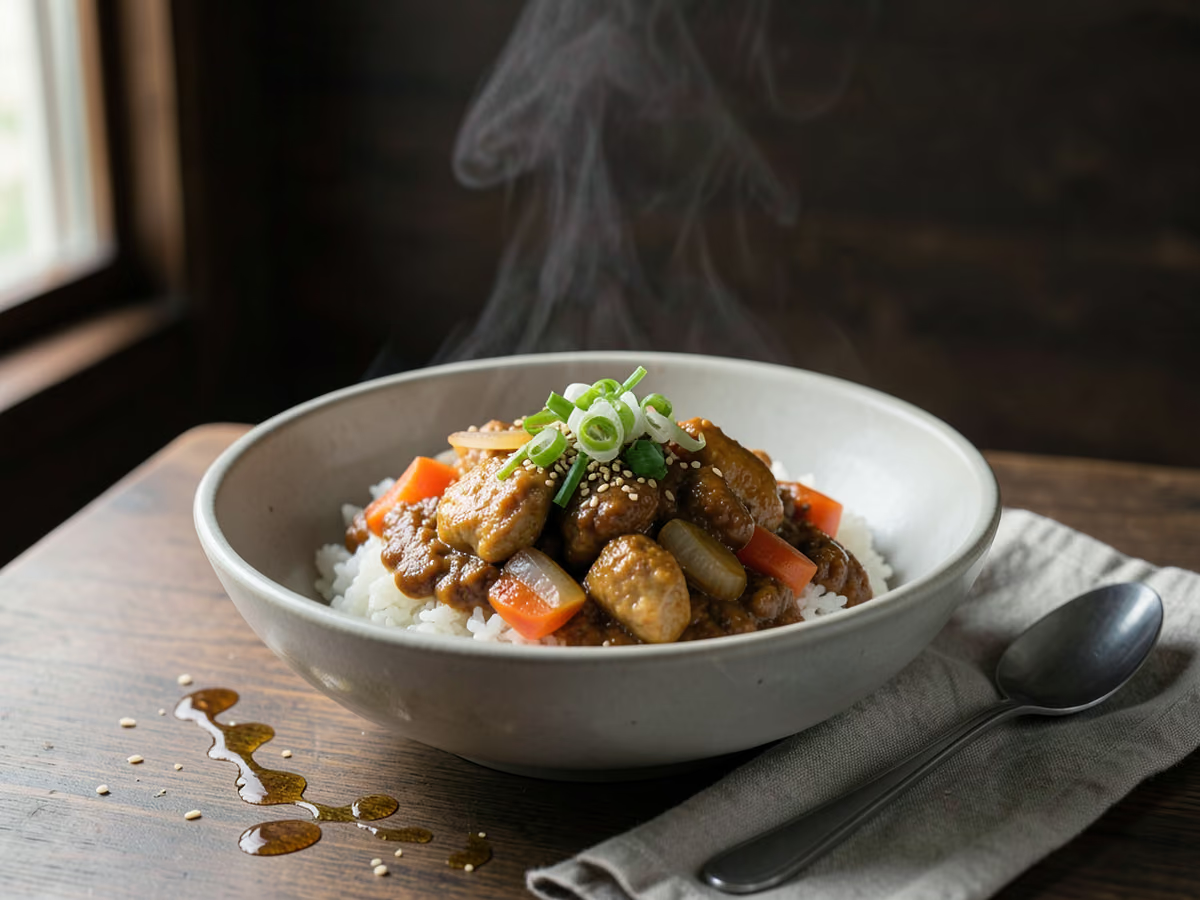
Taste and adjust seasoning. Serve the curry hot over the steamed rice.
Kitchen notes
Kitchen notes
- The most common mistake is adding the curry roux to a boiling liquid; always turn off the heat first, then stir it in to prevent lumps.
- Cut the vegetables into even, bite-sized pieces so they cook at the same rate. Potatoes should be fork-tender but not falling apart.
- For a deeper flavor, let the curry rest off the heat for 10 minutes before serving; it thickens further as it sits.
- If you prefer a thicker curry, simmer a few extra minutes uncovered, but keep stirring to prevent sticking.
Substitutions
- chicken thighs→firm tofu or seitan for a vegetarian version
- Japanese curry roux→2 tbsp curry powder + 2 tbsp plain flour + 1 tbsp butter, cooked into a paste
- honey→maple syrup or brown sugar
- short-grain rice→jasmine rice or brown rice
Storage & reheating
Store leftover curry in an airtight container in the refrigerator for up to 3 days. The flavors deepen overnight. Reheat gently on the stovetop over low heat, adding a splash of water if needed, or in the microwave in 1-minute intervals until hot. Cooked rice should be stored separately and consumed within 1 day. The curry freezes well for up to 2 months; thaw overnight in the fridge before reheating.
FAQ
The questions we get asked most
Why did my Japanese curry turn out lumpy?
Lumps form when curry roux is added to a boiling liquid. Always turn off the heat and let the pot stop bubbling before stirring in the roux. Break the cubes into small pieces and stir patiently until fully dissolved. If lumps do form, press them against the side of the pot with a spoon or blend a small amount of sauce and return it.
Can I use curry powder instead of Japanese curry roux?
Yes, but the flavor will be different. To mimic the roux, melt 1 tbsp butter in a pan, whisk in 2 tbsp plain flour and 2 tbsp curry powder, and cook for 1-2 minutes until fragrant. Stir this paste into the stew off the heat. The result will be spicier and less sweet than store-bought roux.
How do I make Japanese curry less spicy?
Use mild or sweet Japanese curry roux, which is designed for low heat. You can also add a grated apple or a teaspoon of honey to balance the spice. Dairy such as a splash of milk or a spoonful of yogurt can mellow the heat further. Avoid adding more roux to thicken, as that increases spiciness.
Can I make Japanese curry ahead of time?
Yes, it tastes even better the next day. Cool the curry completely, then refrigerate in an airtight container for up to 3 days. Reheat gently on the stovetop, adding water if it has thickened too much. Cook fresh rice just before serving for the best texture.
Why is my Japanese curry too thick or too thin?
The thickness depends on the amount of roux and evaporation. If too thick, stir in water or broth a tablespoon at a time until it reaches a gravy-like consistency. If too thin, simmer uncovered for a few more minutes, stirring often, or add a little more roux dissolved in a ladle of cool liquid.
What vegetables work best in Japanese curry?
Classic choices are onion, carrot, and potato because they hold their shape and absorb the sauce. You can also add bell peppers, zucchini, or mushrooms, but add quick-cooking vegetables in the last 10 minutes. Avoid leafy greens, which become mushy.
Can I freeze Japanese curry?
Yes, curry freezes very well. Cool it completely, then transfer to freezer-safe containers, leaving 2 cm of headspace. Freeze for up to 2 months. Thaw overnight in the refrigerator and reheat on the stovetop over low heat. Potatoes may become slightly softer after freezing, but the flavor remains good.
Ask KitchenMind about this recipe
Tell it what’s different tonight — it works within the actual recipe.