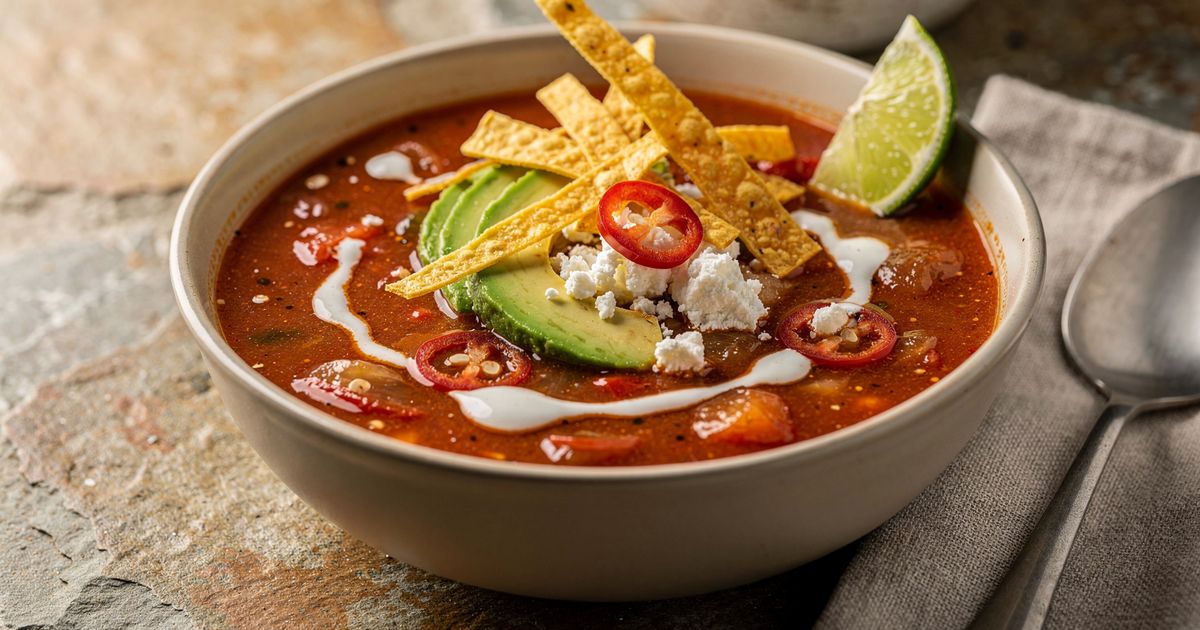
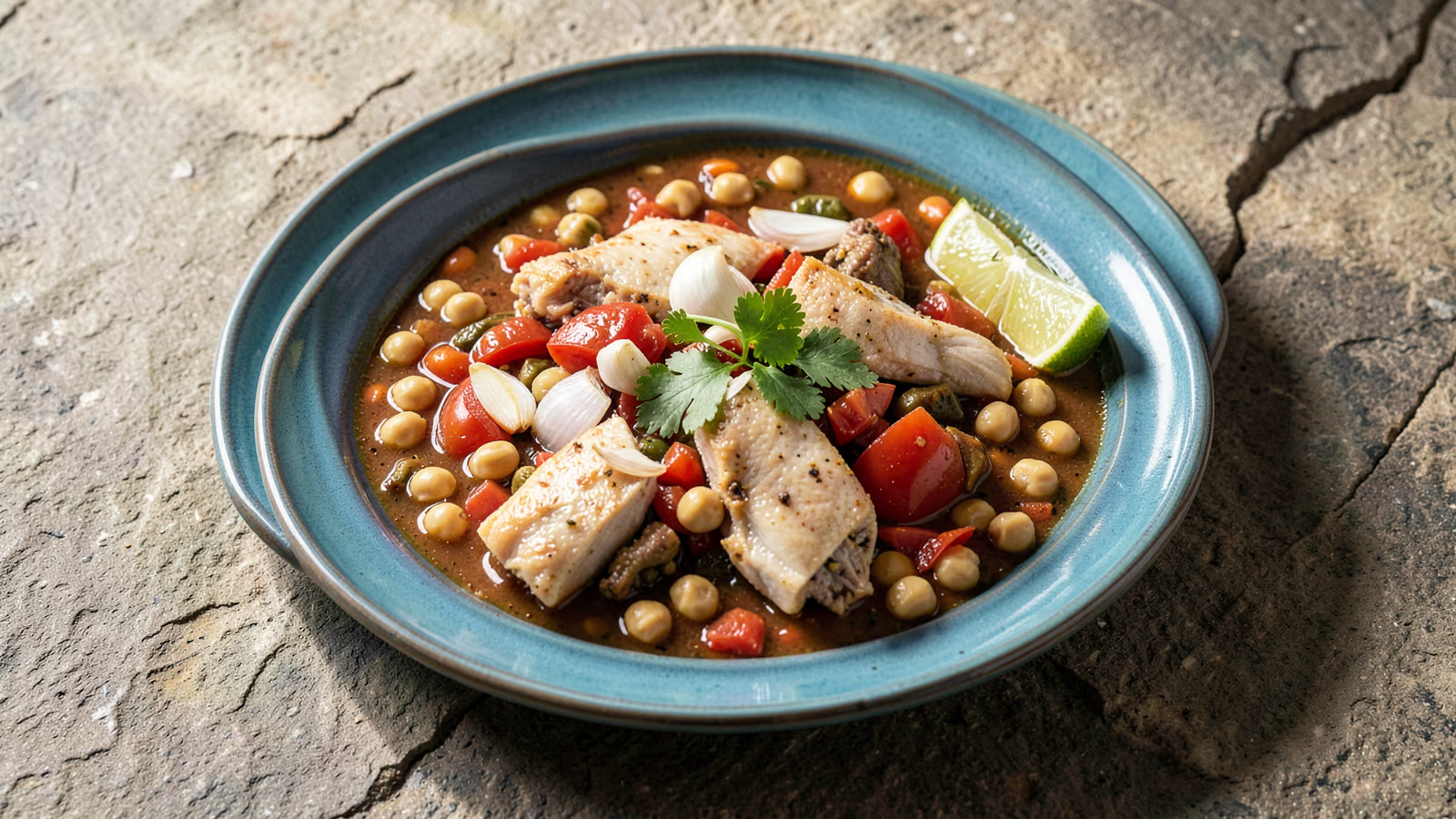
Chicken Pozole Verde
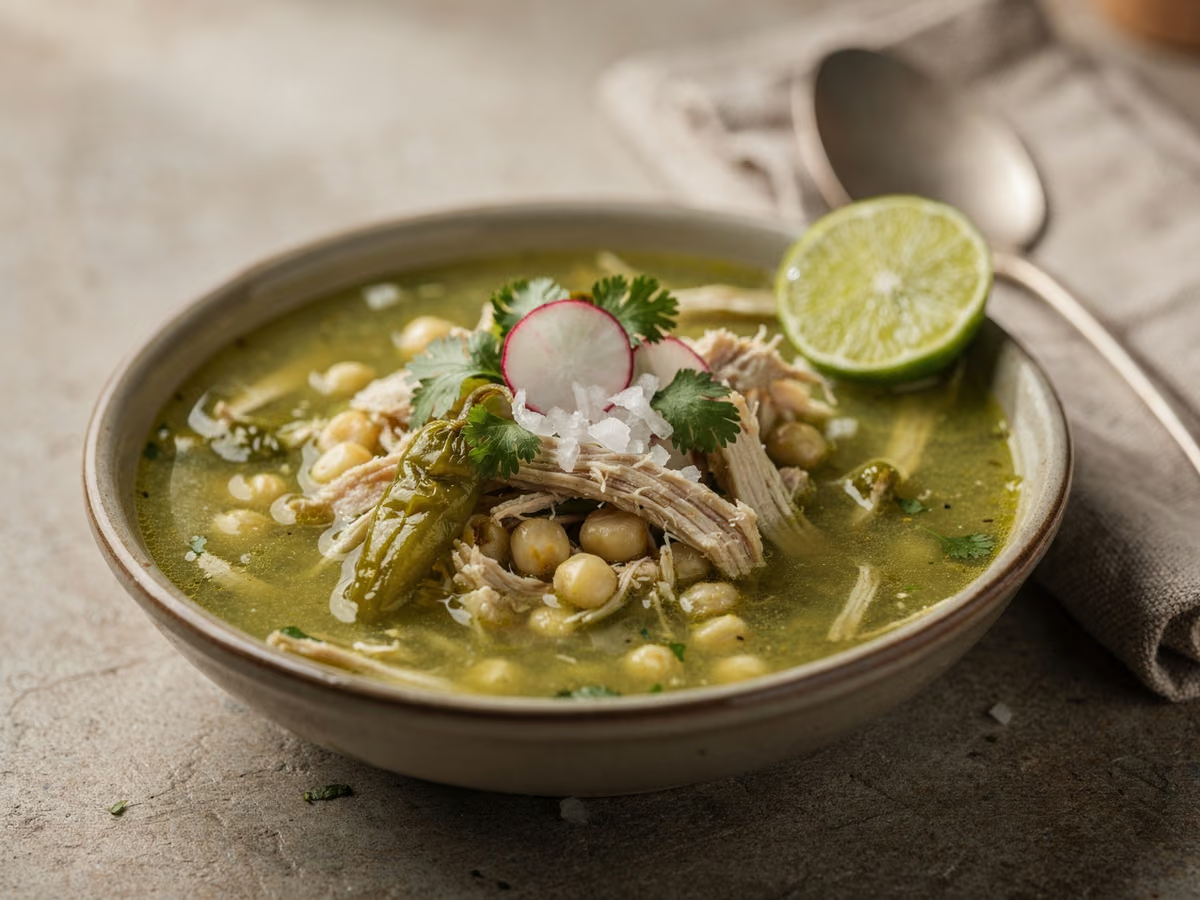
Pozole verde is Mexico's green hominy soup, and this version keeps the classic shape: chicken simmered in a lightly spiced broth, a vivid sauce of 700 g tomatillos and 2 jalapeños blended with a whole bunch of cilantro, and 800 g of hominy left to drink up the flavour. The green sauce goes in for the last 10 minutes only, which is what keeps it bright instead of muddy. About an hour of cooking, six generous bowls, and a table of cold garnishes doing the finishing work.
- Prep
- 30 min
- Cook
- 60 min
- Total
- 90 min
- Serves
- 6
Ingredients
What you’ll need — tap to tick off as you go
- 1 kg
- 4 cloves
- 2 tsp
- 1 tsp
- 1 tsp
- 800 g
- 700 g
- 1 bunch
- 1 l
- 200 g
Process
Timers built in · swap anything · ask as you cook
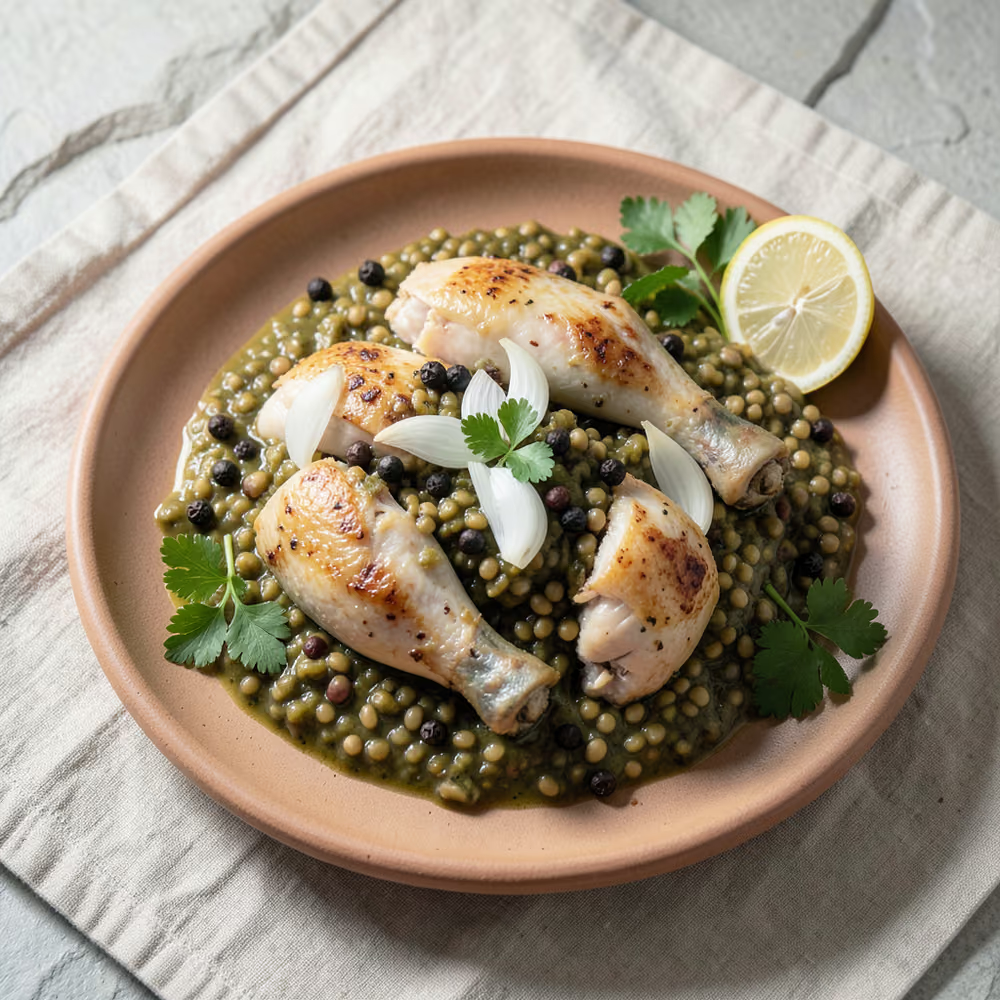
Put the 1 kg chicken thighs in a large pot with the quartered onion, 2 of the garlic cloves, 1 tsp of the salt, the 1 tsp peppercorns and the 1 tsp Mexican oregano. Add cold water to cover the chicken by 2 inches, bring to a boil over high heat, then drop to a low simmer for 20 minutes, skimming the grey foam that rises. Skimming is what keeps the finished broth clear.
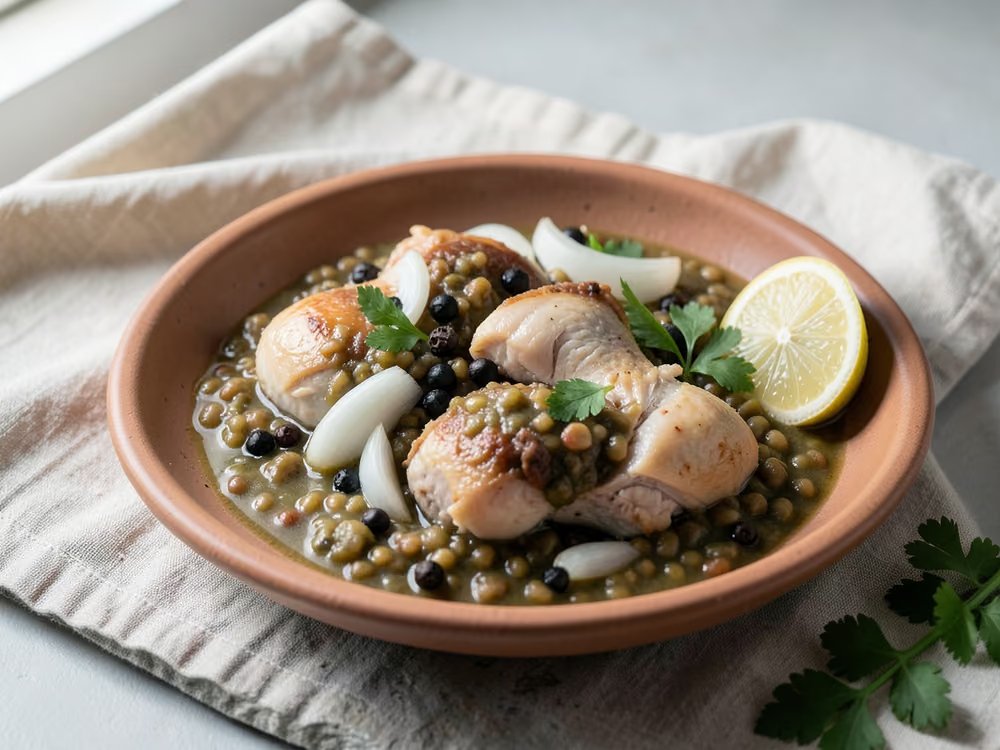
While the chicken cooks, put the 700 g husked tomatillos, the remaining 2 garlic cloves and the 2 jalapeños in a medium saucepan, cover with water and bring to a boil, then simmer for 10 minutes, until the tomatillos change from bright to a dull olive green and soften without breaking apart. Taste one if unsure: it should be tangy-sweet, not sharply sour.
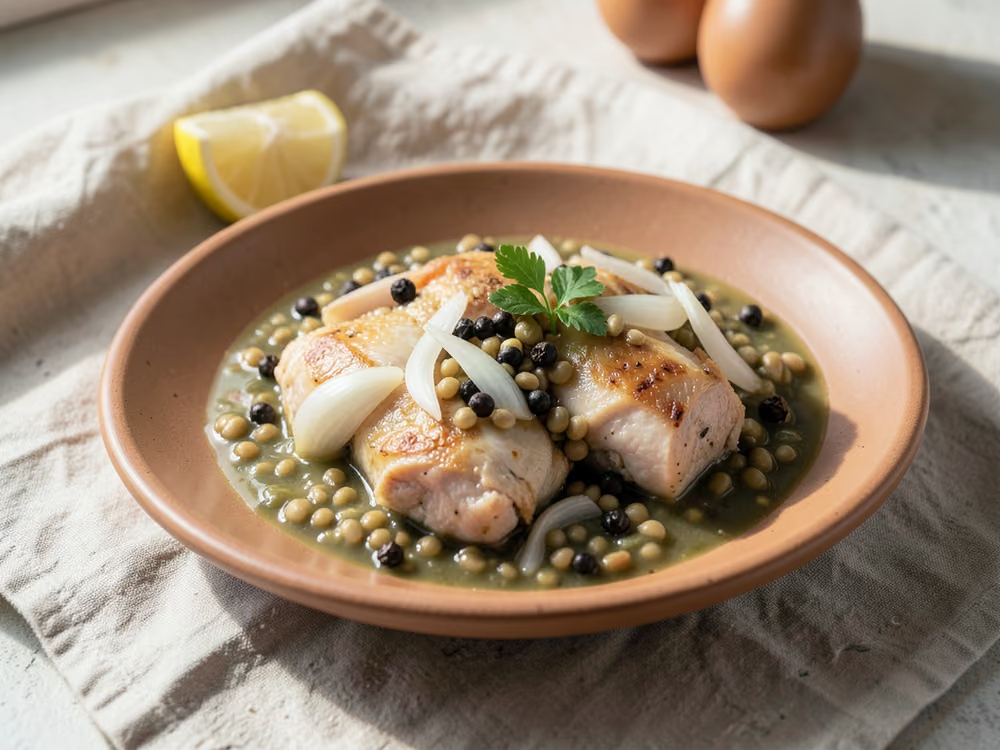
Drain the tomatillos, garlic and jalapeños, then blend them with the chopped cilantro and 1 cup of the chicken broth until completely smooth, about 1 minute. Leave the lid vented or work in batches: steam from hot vegetables can blow a blender lid off, and a splattered sauce is a kitchen accident waiting to happen.
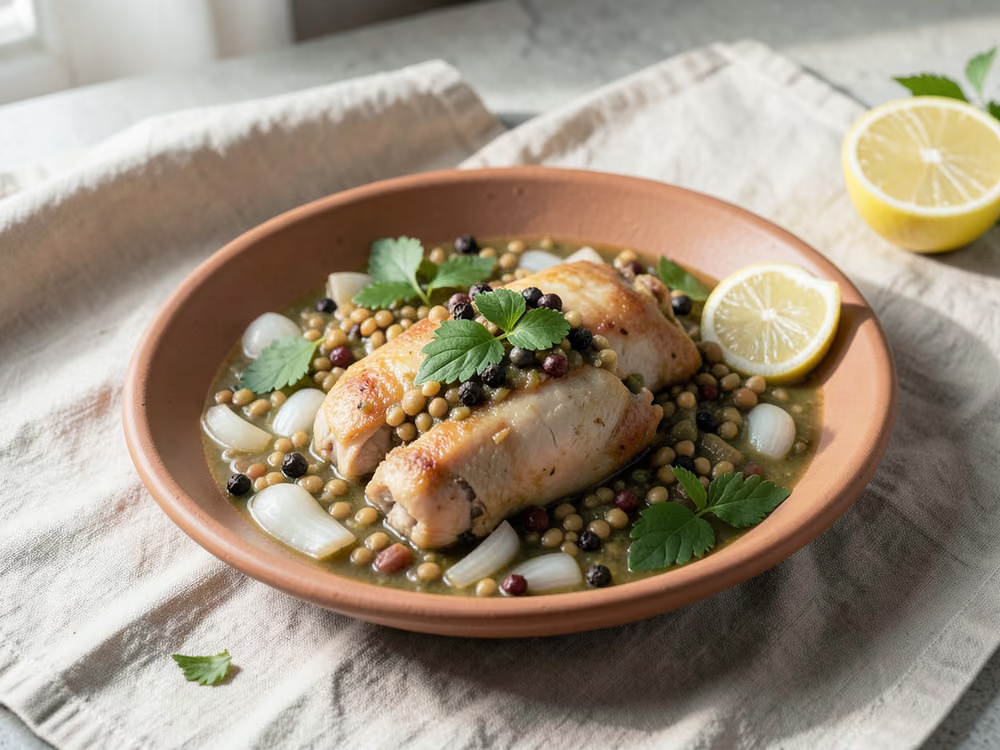
After the chicken's 20 minutes, lift it out with tongs and set it aside to cool slightly. Pour the cooking liquid through a fine-mesh strainer into a second pot or bowl, discarding the onion, garlic, peppercorns and oregano, then return the strained liquid to the pot. This is the step that keeps the broth clean and sweet.
Add the rest of the 1 l chicken broth and the drained hominy to the pot, bring it to a boil and lower to a steady simmer for 15 minutes, until the kernels are hot through and have begun to plump. Give it the full time: this is the window where the hominy absorbs the seasoned broth.
While the hominy simmers, shred the chicken into bite-sized pieces with two forks, discarding any stray bits of fat. Shredding warm is easier than cold, and keeping the pieces largish means they stay tender in the final simmer instead of dissolving into threads.
Stir the green sauce into the pot with the shredded chicken and the remaining 1 tsp salt, and simmer gently for 10 minutes so the flavours marry. Keep it at a bare simmer: a hard boil dulls the colour and strings the chicken out. Taste and adjust the salt, remembering that the sauce's acidity can hide saltiness until it is too late.
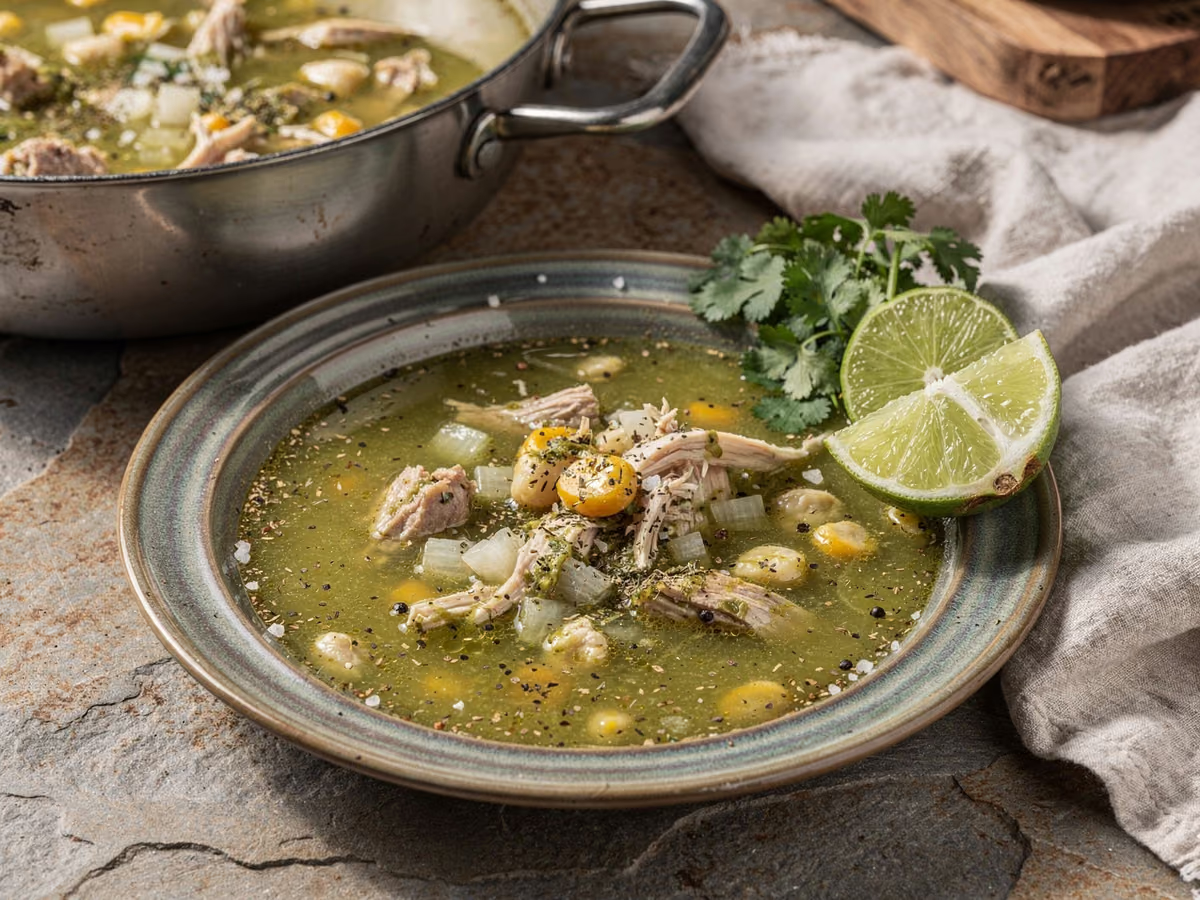
Ladle the pozole into deep bowls and serve with the sliced green cabbage, radishes, lime wedges and diced avocado on the table, each person adding their own at the last minute. Hot broth against cold, crunchy garnishes is the whole point of pozole, and the lime is seasoning as much as garnish.
Why this recipe works
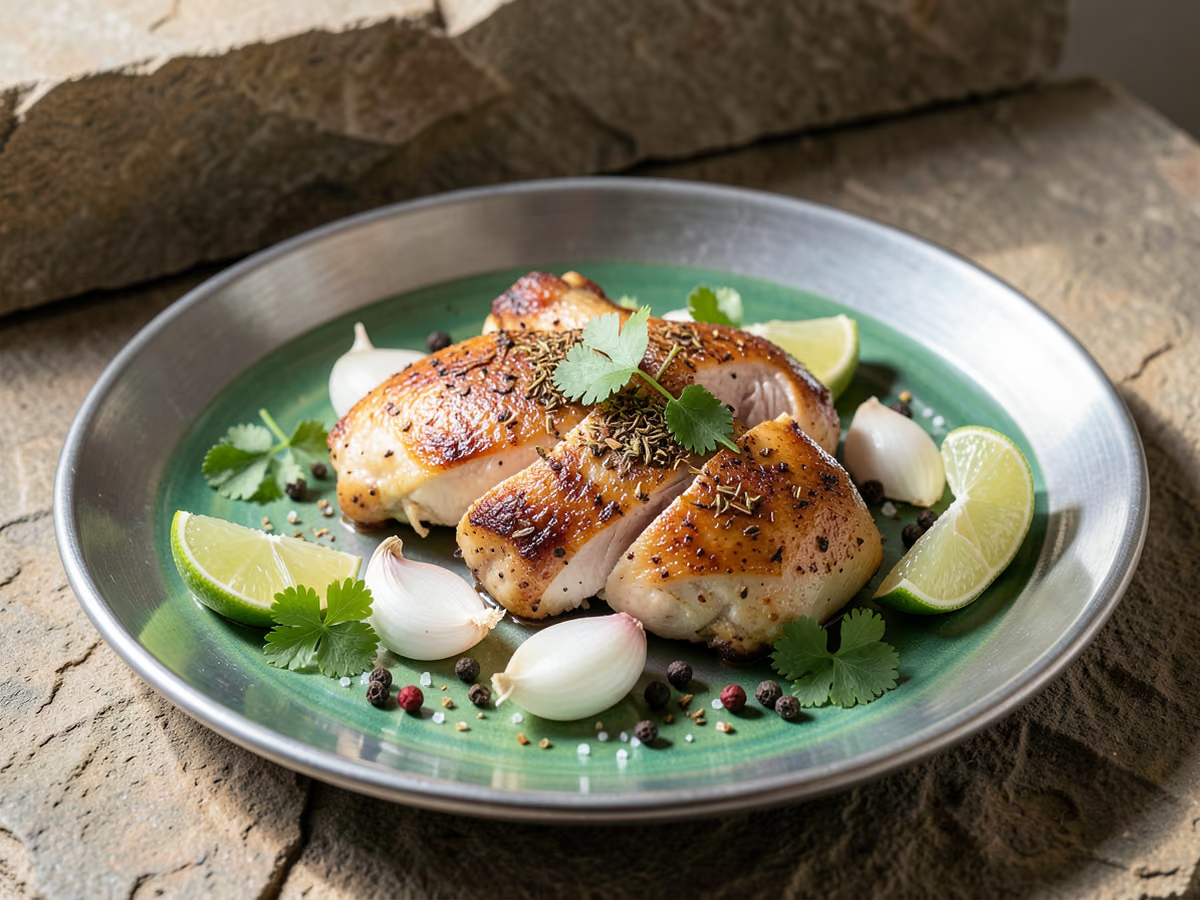
The broth does the heavy lifting: chicken thighs poached with onion, garlic, black peppercorns and Mexican oregano, then strained clean, because aromatics left in the pot turn the liquid bitter and cloudy over a long simmer. The tomatillos get their own gentler poach until they shift from bright to a mellow green and soften without falling apart, which is the exact point their raw acidity rounds off. Blending the sauce with raw cilantro keeps the green true, and stirring it in for only the final 10 minutes protects both the colour and the fresh, herbal notes that a long boil would flatten. The hominy simmers first so it has time to absorb seasoned broth before the sauce arrives.
Equipment
- Large pot or Dutch oven, 5 to 6 litres, with a lid
- Medium saucepan for the tomatillos
- Blender, or a deep bowl and an immersion blender
- Fine-mesh strainer
- Instant-read thermometer
- Slotted spoon and tongs
- Deep serving bowls and a platter for the garnishes
Kitchen notes
Kitchen notes
- Canned hominy is already cooked. If you use dried hominy instead, soak it overnight and cook it fully on its own first, because it will not soften inside the pozole and these amounts assume a tender, cooked kernel.
- Keep the skimmed poaching liquid on the side in case the pot runs low near the end: topping up with plain water dilutes the broth, while a splash of the strained liquid keeps it savoury.
- Blend the sauce in two batches if your jug is small and add the broth gradually; the finished sauce should pour like heavy cream, not stand up like paste.
- For the Guerrero-style body that some cooks swear by, blend a small handful of toasted pumpkin seeds into the sauce. They add a nutty, velvety note and lightly thicken the broth.
- Set the garnishes out cold and let everyone finish their own bowl. Lime, radish and cabbage are seasoning as much as garnish, and the soup tastes flat without them.
Common mistakes
- A cloudy, bitter broth: the aromatics were left in, or the liquid was hard-boiled. Simmer gently, skim the foam as it rises, and strain the broth off the onion, garlic, peppercorns and oregano before the hominy goes in.
- Sharp, gritty green sauce: the tomatillos were undercooked. They need the full 10 minutes, until they turn from bright to a dull olive green and give under a spoon while still holding their shape.
- Dull, olive-brown soup: the sauce was boiled hard or added too early. Stir it in for the last 10 minutes only, at a bare simmer, and the colour stays true.
- Stringy, dry chicken: it was simmered past shredding point or boiled. The thighs need 20 minutes in the poaching liquid and 10 minutes at the end, no more, so keep the heat low in both windows.
- Mushy hominy: a rolling boil breaks the kernels down. Keep the pot at a steady simmer once the hominy is in, and stir only occasionally, reaching the bottom of the pot.
- A blender blowout with hot sauce: the lid was sealed down on steaming liquid. Vent the lid or blend in batches, and never fill the jug more than half full with hot ingredients.
Serving suggestions
- Serve in deep bowls with the garnishes in separate dishes: shredded green cabbage, sliced radishes, lime wedges and diced avocado, added by each person at the table.
- Tostadas or tortilla chips on the side for crunch, and a spoonful of the broth ladled over them at the end.
- Drinks that stay out of the way: sparkling water with lime, iced tea, or an agua fresca. Something cold and uncomplicated suits the rich, tangy broth.
- This makes 6 generous bowls. If the soup thickens while it waits, loosen it with a splash of broth or water rather than adding more salt.
Variations
- Spicier pot: keep the seeds in the 2 jalapeños, or add a serrano alongside them; the heat climbs without changing the method or the colour.
- Pozole rojo, a different classic: make the sauce with rehydrated dried guajillo and ancho chiles in place of the tomatillos. Same simmer-and-blend step, deeper red broth, sweeter and less tangy.
- Vegetarian version, a different dish: use the same 1 l of vegetable broth and replace the chicken with drained cooked chickpeas or shredded jackfruit, simmering for 10 minutes instead of 20 so nothing overcooks. The tomatillo base and the garnishes carry it.
Refrigerator
- RefrigeratorCool the pot within 2 hours, the USDA FSIS limit for cooked food, then refrigerate in an airtight container for up to 4 days; FSIS guidance allows 3 to 4 days for leftovers. Store the garnishes separately, since they go in fresh.
- ReheatingReheat on the stovetop over medium-low, stirring from the bottom, until it simmers and reaches 74°C, or in a covered bowl in the microwave, stirring every minute. The hominy settles and sticks if you do not stir.
- FreezingUp to 3 months. Cool it completely, portion it with headspace for expansion, and thaw overnight in the fridge. The hominy softens slightly and the green fades a shade, so finish with fresh cilantro and lime after reheating.
- Make aheadThe base improves overnight and can be made up to 2 days ahead: cook it fully, cool it quickly, and refrigerate. Reheat gently with a splash of broth, and add the garnishes only at the table.
Updated:
How this recipe was developed
- USDA FSIS safe minimum internal temperature chart (poultry 74°C; reheated leftovers 74°C)
- USDA FSIS leftovers and food safety guidance (refrigerate within 2 hours; 3 to 4 days in the fridge)
- Mexico In My Kitchen, chicken pozole verde (poach and strain the chicken broth before adding hominy; blend the tomatillo sauce smooth with broth; stir it in briefly; traditional garnishes of lettuce, radish, lime, avocado and tostadas; canned hominy is fully cooked)
- Pati Jinich, green pozole, Guerrero style (tomatillos simmered until they change from bright to mellow green and soften without coming apart; the green sauce must be cooked and concentrated because it dilutes in the pot)
Editorial references are kept internally for verification. This page makes no claim of external certification or professional testing.
Gallery
FAQ
The questions we get asked most
Can I use canned tomatillos instead of fresh?
Yes. Use the same 700 g, drained, and skip the poaching step entirely, because canned tomatillos are already cooked; blend them straight with the cilantro and broth and adjust the salt at the end. The sauce tastes slightly softer and less bright than one made from fresh tomatillos.
How do I know when the chicken is done?
It should read 74°C at the thickest point after the 20 minute poach, and shred without resistance. Pierce a piece and the juices should run clear; if they are still pink or the meat fights the fork, give it a few minutes more before straining the broth.
Why is my pozole too sour?
Usually underripe tomatillos, or lime added before tasting. The tomatillos already bring all the acidity the soup needs, so taste the broth before any lime goes in; if it is still sharp, a pinch of sugar or a little more salt brings it back into balance.
Why did my pozole turn out bland?
The usual cause is under-salting, made worse by low-sodium broth and by not tasting after the sauce goes in. Season the poaching liquid properly, taste once the green sauce has simmered in, and remember that the sauce's acidity can hide saltiness until you add a little more.
Can I make pozole ahead of time?
Yes, up to 2 days ahead, and it tastes fuller for the wait: cool it completely, refrigerate, then reheat gently with a splash of broth. Add the garnishes only when you serve, and keep the lime, radish and cabbage cold until then.
Can I freeze pozole?
Yes, for up to 3 months. Cool it completely, portion it with headspace for expansion, and thaw overnight in the fridge. The hominy softens slightly and the green colour fades a shade, so finish with fresh cilantro and a squeeze of lime after reheating.
Is pozole gluten-free and dairy-free?
This one is, as written: chicken, hominy and vegetables, with no dairy anywhere in the pot and no wheat in the recipe. Check the labels on your chicken broth and any canned goods, since some brands carry additives that are not gluten-free.
Ask KitchenMind about this recipe
Tell it what’s different tonight — it works within the actual recipe.